Author: Sarah Murphy

Blog

Exploring the World of Sour Cocktails: A Connoisseur’s Guide

Sour cocktails are a fascinating and diverse category of drinks that have captivated the palates of cocktail enthusiasts for generations. These cocktails are known for their vibrant and balanced flavors, achieved through the careful blending of sour and sweet elements. In this connoisseur’s guide, we’ll dive deep into the rich history and unique characteristics of some of the most iconic sour cocktails.

Memilih agen idnpoker online memang tidak bisa dilakukan dengan cepat atau asal saja. Dikarenakan ini berkaitan erat dengan kenyamanan yang akan diterima pemain poker tersebut. Bayangkan saja situs yang anda pilih kurang terpercaya. Sebelumnya anda sudah melakukan deposit untuk modal bermain poker, kemudian pada saat melakukan konfirmasi sudah dilakukan atau pihak situs tidak melakukan tugas mereka dengan benar, jelas hal ini merugikan anda sendiri.

The Roots of Sour Cocktails
The Roots of Sour Cocktails

Sour cocktails, often referred to as “the children of punch,” trace their origins back to the punch template, the oldest known cocktail style. This historical connection highlights the enduring appeal of these drinks, which have been enjoyed for centuries. The idea of combining spirits, sweeteners, and citrus for a refreshing and harmonious flavor profile has stood the test of time.

Temukanlah sensasi bermain togel yang menarik di situs toto yang paling digemari. Dapatkan hasil live draw, informasi angka keluaran, dan data result pengeluaran yang komprehensif dari tahun 2021 hingga 2023. Jelajahi sekarang dan raih keberuntungan yang tak terlupakan pada pasaran SGP, Macau, HK, Sydney dan Arizona 4D!

The Classic Whiskey Sour
The Classic Whiskey Sour

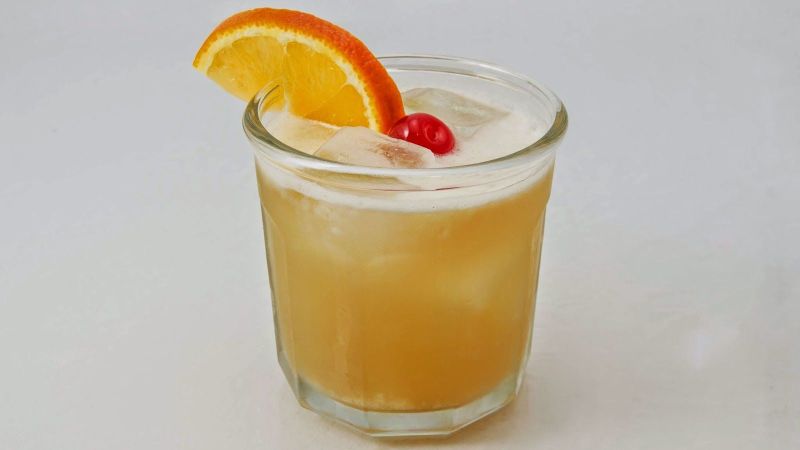
One cannot embark on a journey through the world of sour cocktails without paying homage to the classic Whiskey Sour. This timeless cocktail has a storied history dating back to the 1860s when it first graced the American drinking scene. The Whiskey Sour is a masterclass in balance, following a traditional 2:1:1 formula: two parts whiskey, one part sweet, and one part sour. The harmony between the warmth of whiskey, the tartness of lemon juice, and the sweetness of sugar is what makes this cocktail an enduring favorite.

For those seeking a more luxurious texture, some variations of the Whiskey Sour include egg white, which, when dry shaken with the other ingredients, creates a silky mouthfeel and a frothy top.

The Cuban Delight: Daiquiri
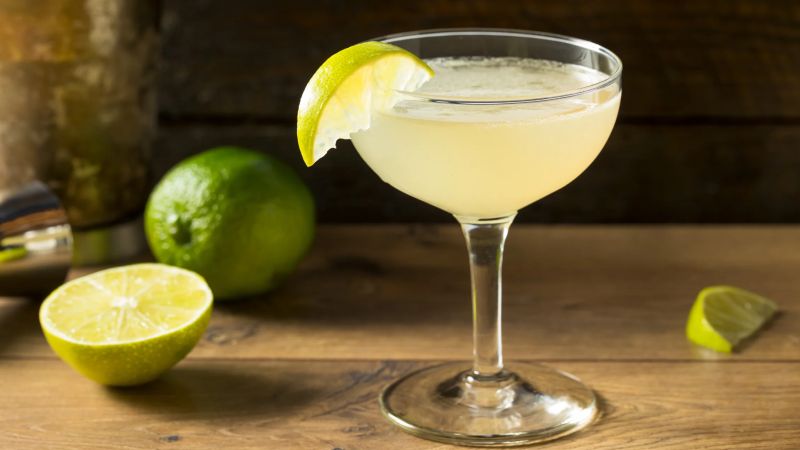
The Cuban Delight: Daiquiri

In the world of tropical cocktails, the Daiquiri shines like a Caribbean gem. Originating in Cuba and named after a stunning beach, the Daiquiri is a test of a bartender’s skill in balancing the wide range of rum profiles with the tanginess of fresh lime juice and the sweetness of sugar. Achieving the perfect balance is key to crafting this refreshing and delightful drink that has captured the hearts of cocktail lovers worldwide.

The Daiquiri, like other sour cocktails, exemplifies the importance of maintaining the equilibrium between citrus and sweetness. With variations ranging from the classic Daiquiri to fruit-infused versions, it continues to evolve while staying true to its Cuban roots.

The British Navy’s Remedy: Gimlet
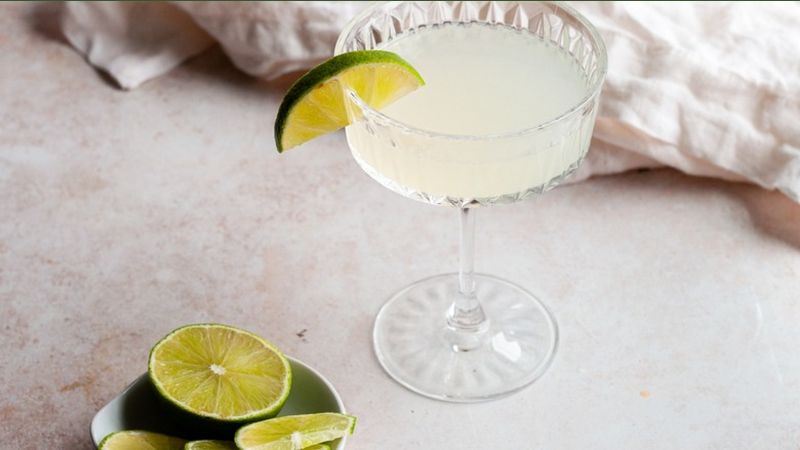
The British Navy's Remedy: Gimlet

The Gimlet has a unique origin story tied to scurvy prevention in the British Navy. Sailors were given lime rations to combat this ailment, and ingenious bartenders turned these rations into a cocktail. While it traditionally used Rose’s Lime Juice Cordial, today’s preferred recipe calls for fresh lime juice and simple syrup.

This gin-based cocktail offers a refreshing and zesty experience that pays homage to its historical roots. It’s a testament to the enduring appeal of sour cocktails, as it effortlessly combines the herbal notes of gin with the brightness of fresh lime and the sweetness of syrup.

Tom Collins: Fizz and Fun
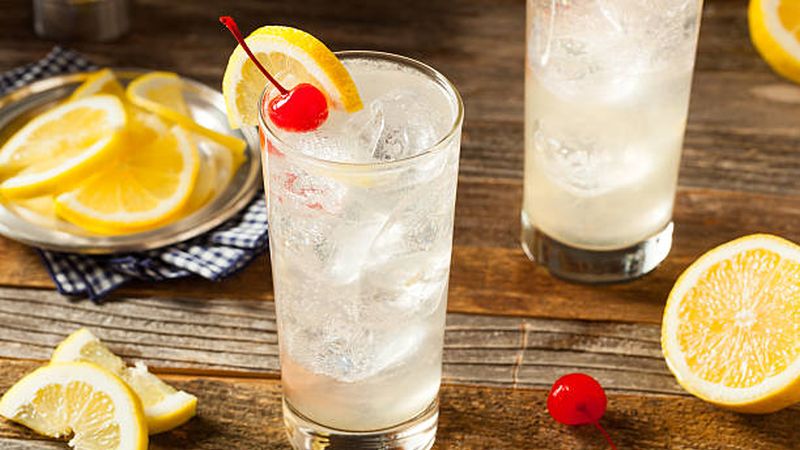
Tom Collins: Fizz and Fun

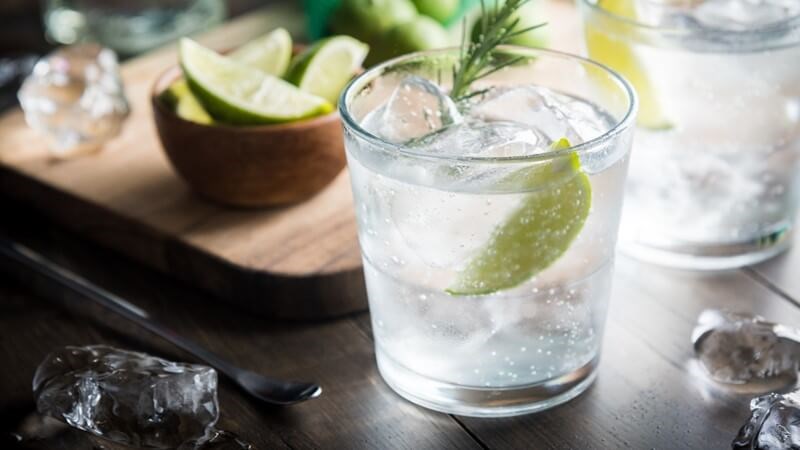
Perfect for warm weather, the Tom Collins is a fizzy twist on the classic sour. Its origins remain somewhat mysterious, with conflicting stories about its creation. However, its refreshing combination of gin, lemon juice, sugar, and club soda makes it a popular choice for those looking to beat the heat.

Silakan kunjungi situs pengeluaran data macau yang menyediakan result live draw, keluaran, dan hasil toto macau 4d 5d tercepat hari ini; dan arsip result macau pools terlengkap 2023, 2022, 2021 dan 2020. Nikmati juga pelayanan terbaik non stop 24 jam dengan berbagai promosi menarik seperti welcome bonus, reward turnover, cashback dan komisi referral. Modal kecil bisa menang dengan nominal besar jika anda aktif bermain togel di situs ARIZONA88.

The Tom Collins is a prime example of how sour cocktails can adapt and evolve over time. The addition of carbonated water transforms it into a tall, effervescent drink, creating a different drinking experience compared to its short and intense counterparts.

Sidecar: The Orange Liqueur Twist
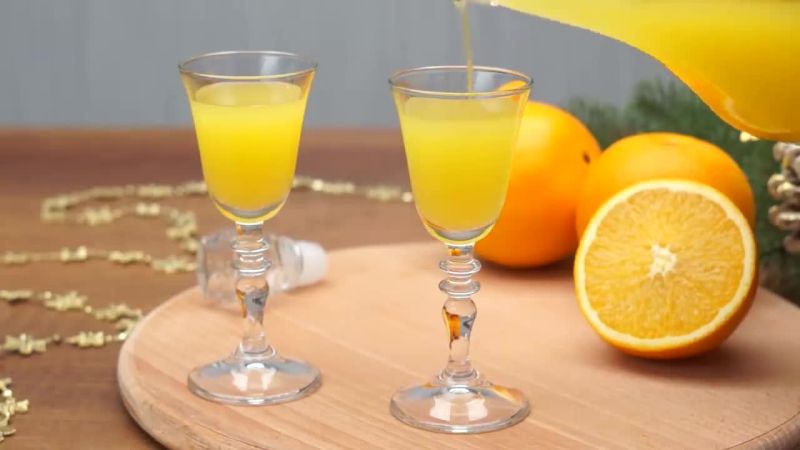
Sidecar: The Orange Liqueur Twist

The Sidecar stands out among sours for its use of orange liqueur, adding a delightful citrusy note to the mix. With cognac as its base spirit, this cocktail offers a drier profile compared to other sour classics. The Sidecar’s origins are somewhat murky, but its enduring popularity is a testament to its balanced and sophisticated flavors.

These are just a few of the many sour cocktails that have graced the world of mixology. Each drink offers a unique experience, showcasing the artistry of balancing flavors and the creativity of bartenders throughout history.

Beyond Tradition: Modern Twists
Beyond Tradition: Modern Twists

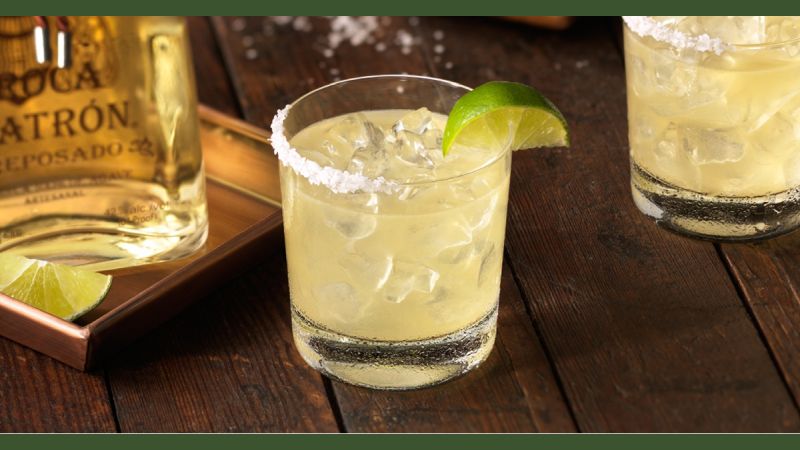
Today, sour cocktails continue to evolve with modern interpretations and innovative twists. For example, Tommy’s Margarita emphasizes quality tequila and agave nectar as a sweetener, creating a more authentic flavor profile. The use of agave nectar, a natural sweetener derived from the agave plant, adds a depth of flavor that sets it apart from traditional Margaritas.

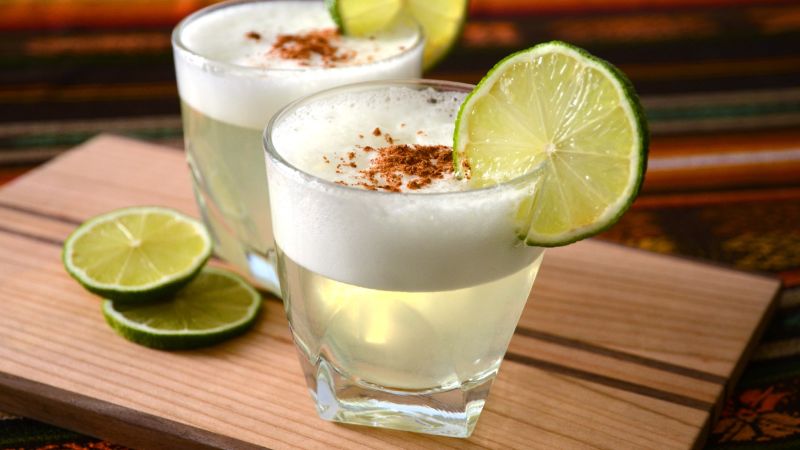
The Pisco Sour, the national cocktail of Peru and Chile, achieves its frothy texture through double shaking and incorporates bitters as a garnish. This South American classic is famous for its disputed origins, with both countries claiming it as their own. Regardless of its provenance, the Pisco Sour showcases the international appeal of sour cocktails.

Rediscovering the Midori Sour
Rediscovering the Midori Sour

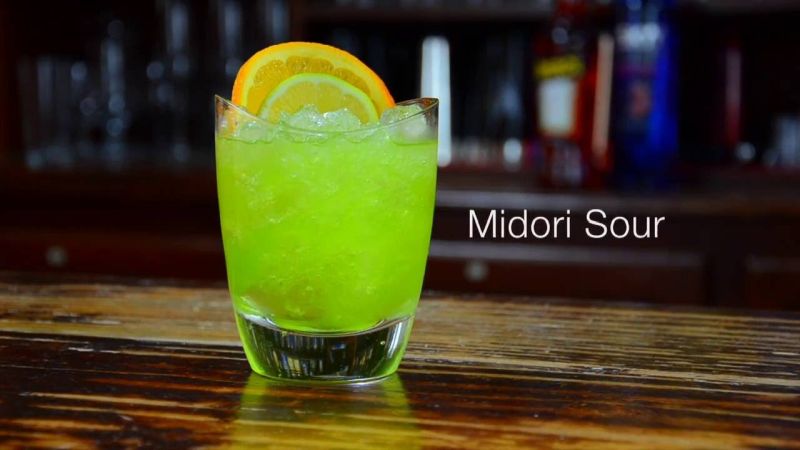
In the 1970s, the disco era brought us the Midori Sour, featuring Midori melon liqueur, lemon and lime juices, and soda water. This cocktail gained fame on the dance floors of Studio 54 in 1978 and is now experiencing a revival, drawing a new generation of cocktail enthusiasts.

The Midori Sour is a testament to how even seemingly niche cocktails can have their moment in the spotlight. With its vibrant green hue and distinctive melon flavor, it offers a unique experience for those seeking something outside the traditional sour cocktail spectrum.

Innovation Meets Tradition: The New York Sour
Innovation Meets Tradition: The New York Sour

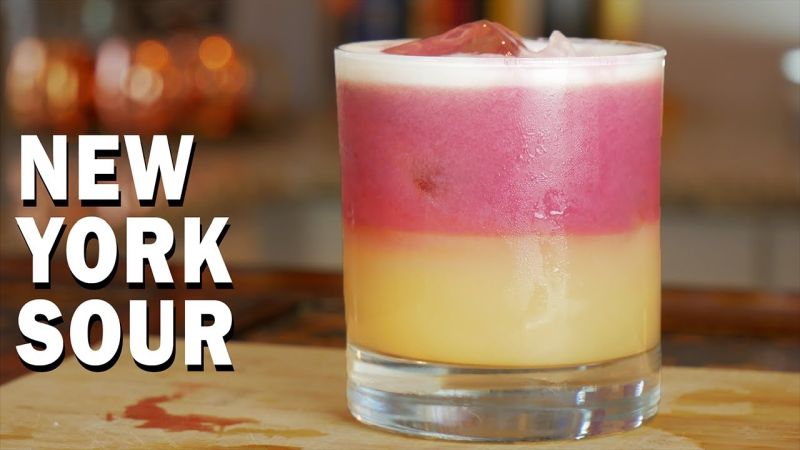
A creative twist on the classic Whiskey Sour, the New York Sour adds a visually stunning dark red wine float, creating a layered masterpiece. This modern version, popularized by Allen Katz of New York Distilling Company, showcases the continuous evolution of sour cocktails.

Rye whiskey or bourbon can be used as the base spirit for a New York Sour, allowing for variations in flavor and complexity. The red wine float not only adds a visual element but also introduces a layer of fruity and tannic notes to the drink, creating a delightful contrast with the whiskey’s richness.

Conclusion

Sour cocktails have a rich history dating back to the 19th century, rooted in the punch tradition and beloved by cocktail enthusiasts worldwide. Whether you’re sipping a classic Whiskey Sour or exploring modern variations, the balance of flavors is crucial to their success. With their timeless appeal and enduring popularity, sour cocktails continue to delight and inspire both bartenders and cocktail aficionados alike.

In a world of ever-evolving mixology, sour cocktails stand as a testament to the enduring power of balanced flavors and the art of crafting a perfect libation. So, the next time you find yourself in a cocktail bar, consider exploring the world of sours, where the harmonious marriage of sour and sweet creates unforgettable drinking experiences. Cheers to the world of sour cocktails, where every sip tells a story of innovation, tradition, and the pursuit of flavor perfection.
Blog

The Evolution of Distillery: From Ancient Origins to Artisanal Renaissance

Distillation: Unveiling the Alchemical Art

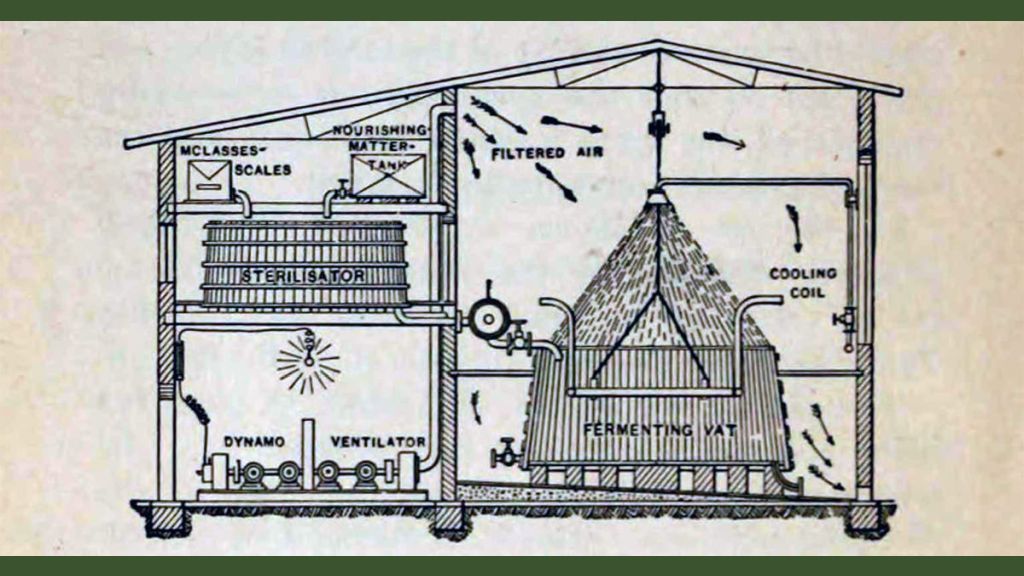
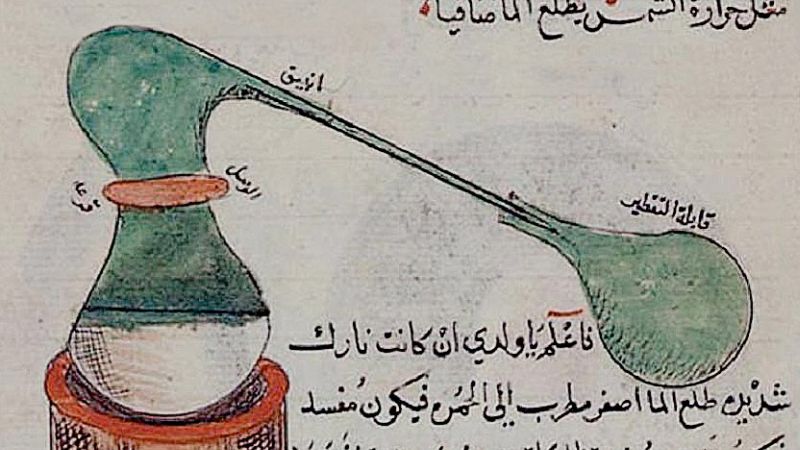
Distillation, a transformative process unlike the fermentation of wine and beer, stands as a distinct and essential step in the creation of spirits. This method, born from the alchemical pursuits of uncovering the secrets of substances, held an unexpected role in the genesis of alcohol. The history of distillation traces back to ancient times, leaving traces as early as 800 B.C. Evidence emerges from diverse cultures like Asia, where crude distillates were crafted from rice and mare’s milk.

LINKSLOT delivers a responsive and user-friendly online slot experience designed for modern players. Users can quickly access daily bonus features and progressive jackpots without complicated steps. Every game mechanism is presented transparently, allowing strategies to be applied with clarity and confidence. For players looking for the latest slot link, you can explore reliable access through https://setandansawit.net/ to ensure smooth entry. Read the full article to understand each feature in depth and maximize your overall gameplay experience.

Alchemy’s Unintended Legacy

Alchemy, the precursor to modern chemistry, embarked on a journey to decipher the mysteries of matter. In this quest, it inadvertently paved the way for alcohol’s emergence. The secrets unearthed by alchemists traveled from Asia to the realms of Ancient Greece, enduring well into the 1st century A.D. “Maria the Jewess,” an enigmatic figure, is attributed to pioneering the tribikos, a primitive pot still, a crucial tool in distillation’s evolution.

The process of distillation separates liquids based on their different boiling points. It’s a technique that allows for the concentration of alcohol, resulting in more potent and refined spirits. Unlike the simpler processes used to make beer and wine, distillation involves heating a liquid to create vapor and then cooling that vapor to create a liquid. This intricate method requires an understanding of temperature, pressure, and the properties of different substances.

Playing online lottery games can be as exciting as putting together your favorite puzzle. By monitoring the Macau results and reviewing Macau Toto data, you can choose your numbers with greater confidence and a clearer strategy. Taking a relaxed approach while enjoying the prediction process often feels even more satisfying than the final outcome itself. For a more complete experience, you can check here and explore additional resources available online. You can also visit https://www.macau4d.org/ and read more here to discover helpful hints, more information, and useful content to maximize your winning opportunities.

Alembic and Ambrosia: Distillation’s Milestones

Alembic and Ambrosia: Distillation's Milestones

Abu Musa Jabir ibn Hayyan’s groundbreaking design of the alembic pot still in the 8th century A.D. marked a turning point. This innovation revolutionized alcohol distillation, enabling the collection of clear and flammable vapor from wine. Distilled alcohol initially found purpose in rituals and medicines during the 9th century, gradually expanding its utility. By the 12th century, an Italian medical school documented the first official use of distilled alcohol.

The alembic pot still, attributed to Jabir ibn Hayyan, played a vital role in the refinement of distillation techniques. It allowed for greater control over the distillation process and the separation of alcohol from other substances. This advancement paved the way for the production of higher quality and more consistent spirits.

Distillation’s Transformative Journey

Hieronymus Brunschwig’s “The Virtuous Art of Distilling” in the 16th century exemplified a pivotal shift. Distilled alcohol transitioned from medicinal aid to recreational indulgence, exemplified by the notable rise of “aqua vitae.” The 17th century saw this elixir gaining traction, eventually leading to its widespread consumption.

Brunschwig’s work highlighted the broader applications of distilled alcohol. It showcased various methods of distillation and the diverse range of spirits that could be produced. This shift towards recreational consumption marked a significant societal change, as distilled spirits became more readily available for leisure rather than solely for medicinal or ritualistic purposes.

Watching a match without placing a bet is like watching a movie without a soundtrack—it feels incomplete. Use a football betting site to take part in the action and experience the thrill behind every goal. With live features that support last-minute predictions, you stay in control until the final whistle. For click here for more information, visit: https://kidukidu.org/. You can also explore exciting options such as online slot games to diversify your entertainment. Enjoy real winning sensations, regular bonuses, and a more electrifying viewing experience overall.

The Industrial Alchemy: Modernizing Distillation

The Industrial Alchemy: Modernizing Distillation

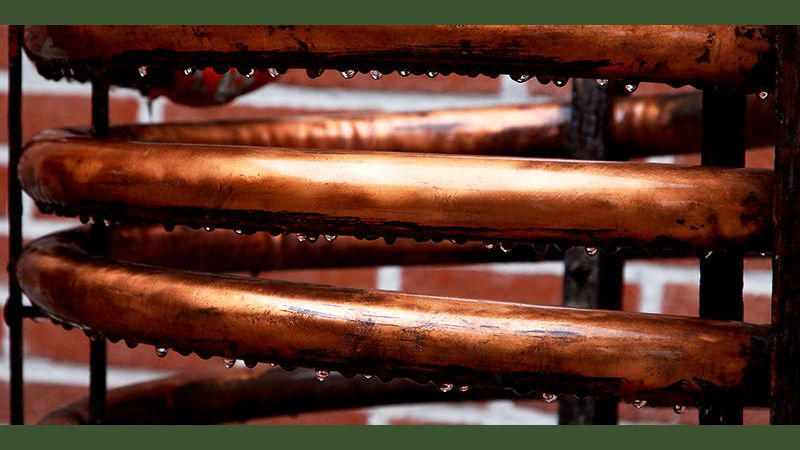
The 19th century witnessed monumental advancements. Robert Stein and Aeneas Coffey’s invention of the continuous still, also known as the column still, redefined distillation. This innovation ensured a constant distillation process, driving industrialization’s growth and commercialization of spirits. Avicenna’s ingenious coiled cooling tube further refined pot distillation efficiency, adding to the modernization wave.

The continuous still revolutionized the efficiency of distillation. Unlike traditional pot stills, which required multiple distillation cycles to achieve high alcohol content, the continuous still allowed for a continuous flow of liquid through the distillation process. This not only increased production capacity but also contributed to the consistency of the final product.

Crafting Tradition Anew: Artisanal Resurgence

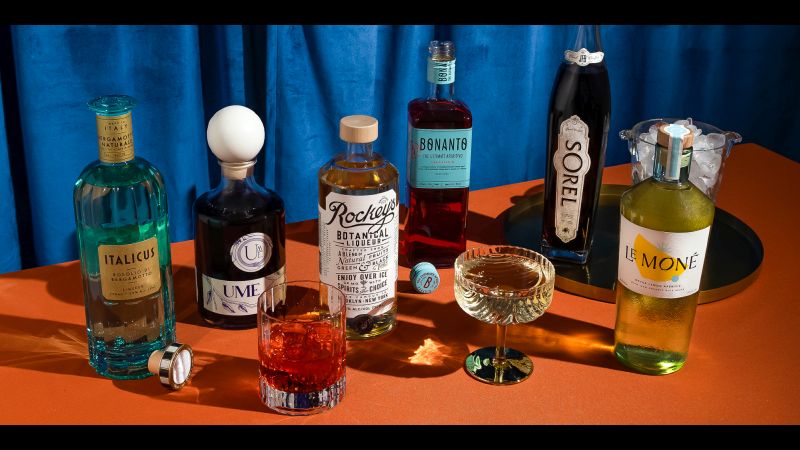
As industrial distillation boomed, the essence of craftsmanship found a resurgence in the modern era. The craft distilling movement, a response to the mass production of spirits, emerged, offering a diverse array of unique, small-batch concoctions. This renaissance has reintroduced the world to the charm of artisanal spirits, celebrating the roots of distillation while embracing innovation.

The craft distilling movement is a testament to the appreciation of tradition and the desire for quality over quantity. It emphasizes the hands-on approach to distillation, often using traditional methods and locally sourced ingredients. This trend has gained a loyal following of consumers who value the stories behind the spirits and the distinct flavors that come from smaller-scale production.
A Spirited Legacy

From the ancient alchemical pursuits to modern craft distilleries, the journey of distillation is a testament to human ingenuity and curiosity. The intricate dance of heat, vapor, and liquid has shaped the world of spirits into what we know today. As we raise our glasses to enjoy the diverse and innovative array of artisanal spirits, let us also raise a toast to the generations of distillers and alchemists who paved the way for this spirited legacy.

Blog

Exploring the World of Base Liquors

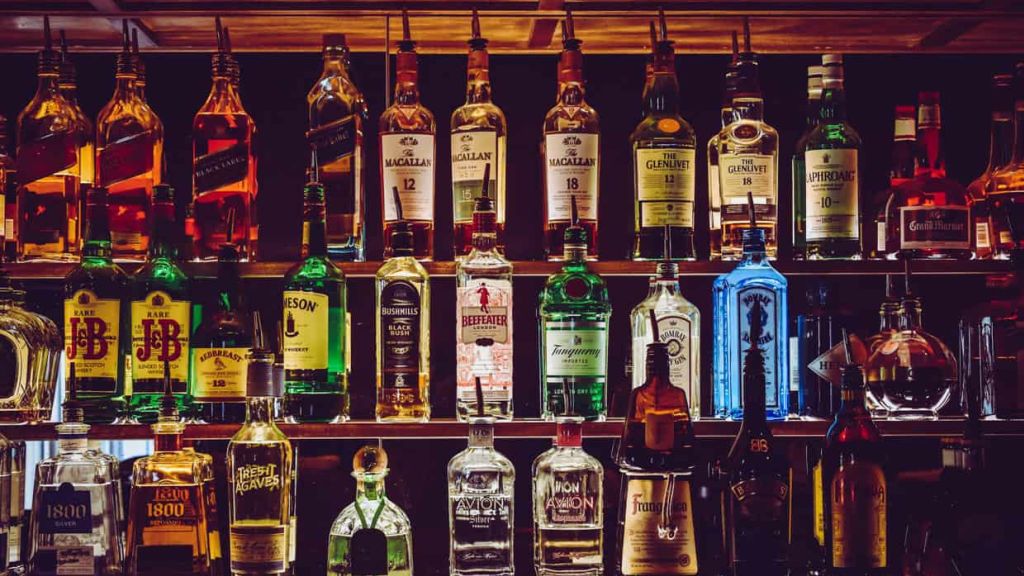
When it comes to the art of mixology, there is an essential palette of base liquors that every home bartender should be well-acquainted with. These base spirits form the backbone of countless cocktails, each offering a unique flavor profile and distinct characteristics that contribute to the complexity and depth of the drinks they create. Among these foundational spirits, six stand out as cornerstones of the craft: brandy, gin, rum, tequila, vodka, and whiskey.

Brandy: A Timeless Elegance

Brandy: A Timeless Elegance

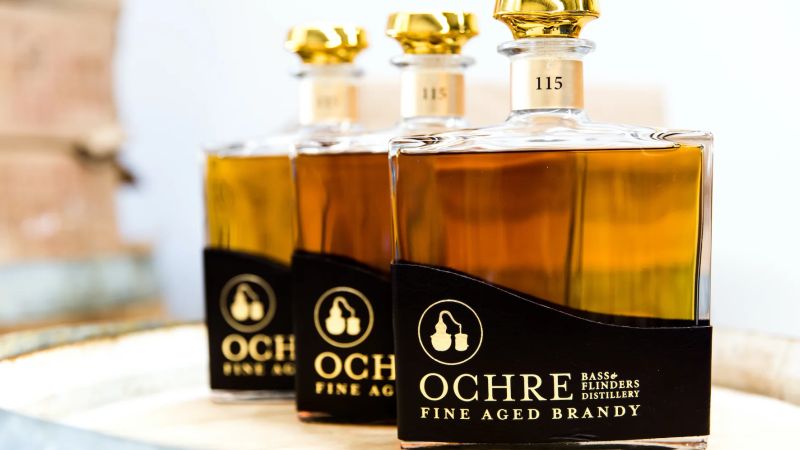
Brandy, often associated with sophistication and class, is distilled from a variety of fruits like grapes, apples, apricots, cherries, and peaches. This diverse range of source fruits imparts a wide spectrum of flavors, from the rich and velvety to the bright and fruity. Brandy’s flavor profile includes fruity burnt wine notes, harmoniously entwined with a pleasant oakiness derived from aging in wooden casks. It’s a spirit that can be enjoyed neat, on the rocks, or as the heart of classic cocktails like the Sidecar and the Brandy Alexander. Modern mixologists are also pushing the boundaries of brandy’s potential, experimenting with innovative combinations that highlight its complexity.

Gin: The Elixir of Botanicals

Gin: The Elixir of Botanicals

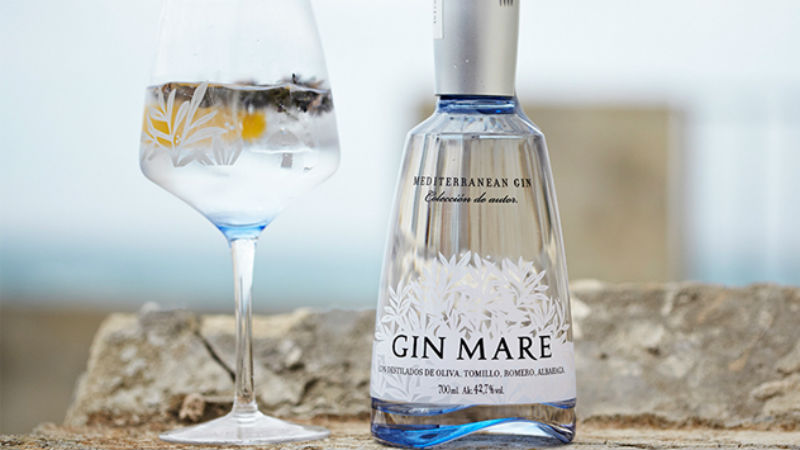
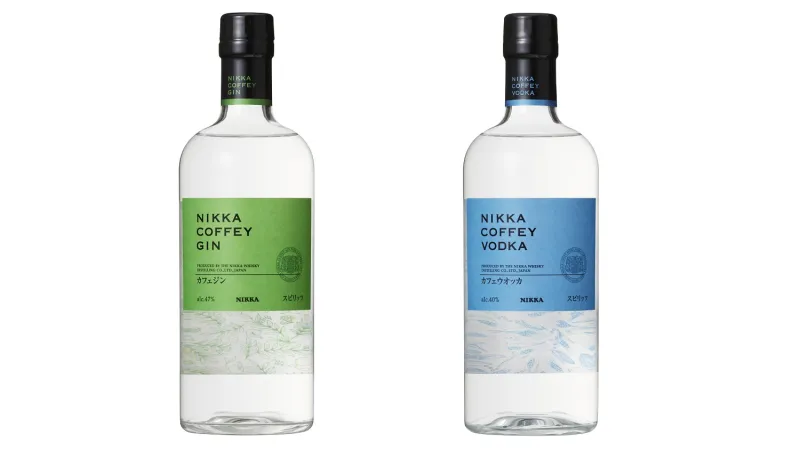
Gin, with its dry and herbaceous character, occupies a special place in the world of cocktails. What sets gin apart is its reliance on botanicals, particularly juniper berries, which provide that signature “piney” aroma and taste. Beyond juniper, various other botanicals are employed to create a symphony of flavors, from floral and citrusy to spicy and earthy. This diversity makes gin a versatile ingredient in a wide array of cocktails, ranging from the classic Martini to the vibrant Negroni. Different styles like London Dry Gin, Plymouth Gin, Old Tom Gin, Genever, and New American Gin offer distinct profiles, ensuring that there’s a gin for every palate and cocktail preference.

Rum: Captivating Sweetness

Rum: Captivating Sweetness

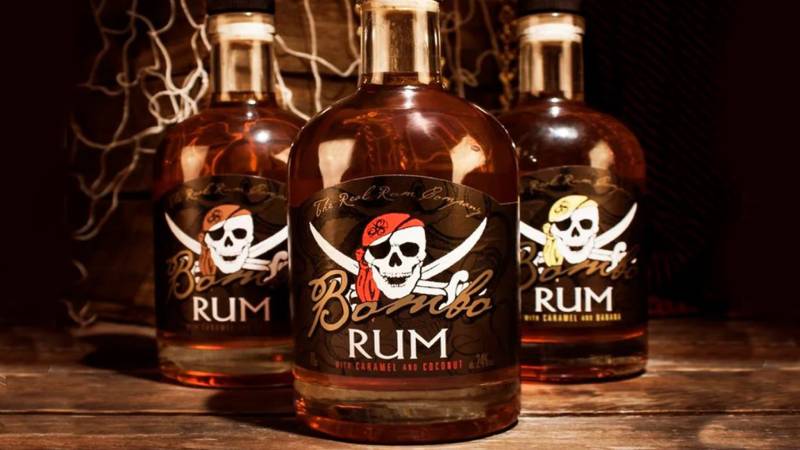
Rum’s allure lies in its natural sweetness, making it a beloved choice for cocktails that transport you to tropical paradises. Distilled from sugar sources such as molasses and pure sugar cane, rum boasts a flavor profile that varies across styles and regions. From the light and crisp notes of Light Rum to the rich and robust flavors of Dark Rum, each variation brings something unique to the table. Spiced Rum adds a warm and aromatic dimension, perfect for concocting drinks that capture the essence of exotic spices. Whether it’s a refreshing Mojito, a classic Daiquiri, or a complex Tiki creation, rum’s versatility is unmatched.

Tequila: The Spirit of Agave

Tequila: The Spirit of Agave

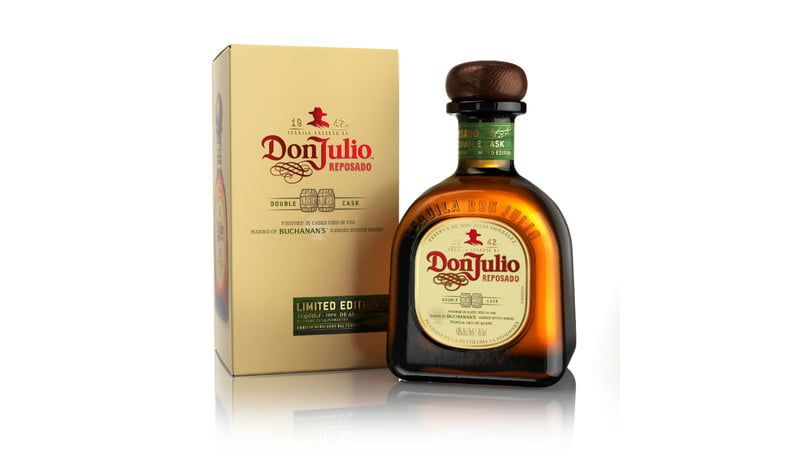
Tequila, originating from the agave plant, embodies the essence of Mexican culture and craftsmanship. Its flavor profile is characterized by a range of notes, including vegetal, earthy, semi-sweet, and spicy tones. This makes it a versatile spirit for cocktails that span from the zesty Margarita to the adventurous Tequila Sunrise. Tequila’s aging process adds depth and complexity, with Blanco, Reposado, Añejo, and Extra-Añejo styles each contributing their own nuances to the final product. Strictly regulated by the Tequila Regulatory Council (CRT), this spirit is a testament to the artistry and tradition that define the world of tequila.

Vodka: The Chameleon of Cocktails

Vodka: The Chameleon of Cocktails

Vodka’s neutrality is its superpower, allowing it to seamlessly blend into a multitude of cocktails and let other flavors shine. It’s a spirit that’s distilled from various sources, including grains, potatoes, beets, and grapes, resulting in different nuances in each variation. Vodka’s flavor profile is primarily influenced by its base and any added flavorings, allowing mixologists to craft an expansive range of drinks, from classic Martinis to inventive Moscow Mules. With origins in Russia and Poland, vodka has spread its influence globally, offering a clean canvas for both traditional and contemporary cocktails.
Whiskey: A World of Complexity

Whiskey: A World of Complexity

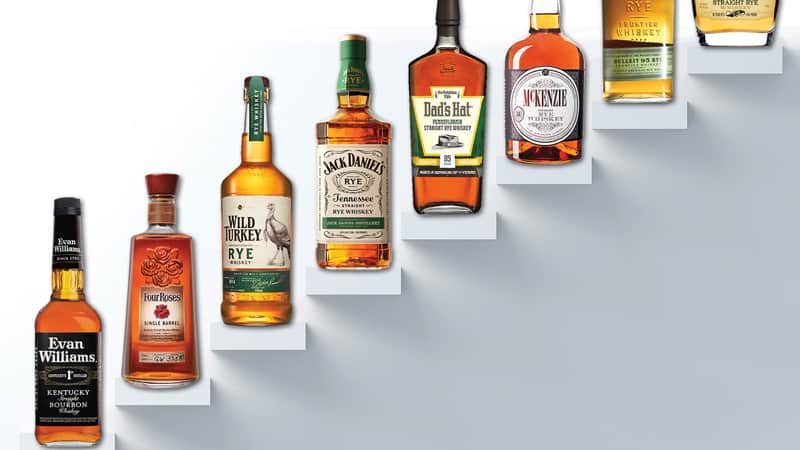
Whiskey, with its diverse array of styles and intricate flavor profiles, is a playground for cocktail creativity. Derived from malted grains like corn, rye, wheat, and barley, whiskey’s flavors range from the bold and robust to the smooth and mellow. Each style, whether it’s Bourbon, Canadian Whisky, Irish Whiskey, Japanese Whisky, Rye Whiskey, or Scotch Whisky, reflects its region’s traditions and expertise. Whiskey can be enjoyed in classic drinks like the Old Fashioned and the Whiskey Sour, as well as more experimental concoctions that showcase its versatility.

In conclusion, the six base liquors—brandy, gin, rum, tequila, vodka, and whiskey—form the bedrock of cocktail culture. Their diverse flavor profiles, unique characteristics, and rich histories offer an inexhaustible source of inspiration for mixologists. Understanding the nuances of each base liquor is not just a skill, but an art, one that empowers home bartenders to create cocktails that tell stories, evoke emotions, and satisfy the most discerning palates. So, whether you’re crafting a timeless classic or embarking on an innovative cocktail adventure, these base spirits will always be your faithful companions on the journey. Cheers to the world of mixology, where every sip is a celebration of craftsmanship and creativity!

Blog

Bartenders’ Artistry: Elevating the Two-Ingredient Cocktail Experience

When it comes to crafting cocktails, bartenders are akin to skilled artists, masterfully combining flavors to create liquid symphonies that dance on the taste buds. In the midst of their creative journey, even the experts occasionally seek solace in the simplicity of a well-crafted two-ingredient cocktail. Behind the bar, where time is of the essence, these libations are not only a testament to the bartender’s finesse but also a refreshing indulgence during their well-deserved breaks.

1. The Art of Simplicity

Bartenders, orchestrators of the bar’s bustling ambiance, often opt for straightforward two-ingredient cocktails as their shift drinks. This choice isn’t merely a matter of convenience; it’s an opportunity for these artists of mixology to appreciate the essence of each ingredient. Like a minimalist canvas, this choice highlights the subtleties and nuances that each element brings, resulting in a concoction that is greater than the sum of its parts.

2. Complexity in Simplicity

The concept that simplicity equates to a lack of complexity is quickly dispelled when a perfectly balanced two-ingredient cocktail graces your palate. Craftsmanship lies not only in the number of components but in the skillful harmony between them. A seemingly basic cocktail can be a revelation of flavors, a sensory journey that lingers long after the glass is empty.

3. Unique Combinations Unveiled

Unique Combinations Unveiled

Bartenders, akin to alchemists, generously share their favorite two-ingredient cocktails, unveiling combinations that are as unique as they are delightful. These selections aren’t random but rather a product of careful consideration, a result of countless experiments, and an intimate understanding of flavor profiles.

4. Natasha David: Highball Harmony

One such revelation comes from the esteemed Natasha David, whose highball concoction of Suze and elderflower tonic showcases her expertise. The marriage of Suze, an aromatic and slightly bitter liqueur, with the delicate effervescence of elderflower tonic, creates a libation that is simultaneously herbal and refreshingly crisp. It’s a testament to how two seemingly contrasting elements can harmonize seamlessly.

5. Vermouth’s Versatility

Blanc vermouth, often overlooked, emerges as a versatile companion that pairs remarkably well with orange juice. The marriage of these ingredients, when executed with finesse, results in a drink that tantalizes the taste buds with citrusy brightness while maintaining the depth of the vermouth’s botanicals. Certain vermouths, with their vanilla notes, lend a touch of sophistication, elevating the simple orange juice into a delightful concoction.

6. The Intrigue of Fernet Branca Menta and Espresso

For those seeking a more sophisticated experience, Fernet Branca Menta and espresso converge to create a drink that is both captivating and bold. The menthol-laden notes of Fernet Branca Menta intermingle with the rich, earthy essence of freshly brewed espresso. The result is a libation that’s not just a drink but an experience—a grown-up Shakerato that stimulates both the senses and the spirit.

7. St-Germain’s Floral Symphony

Bartenders' Artistry: Elevating the Two-Ingredient Cocktail Experience

St-Germain, celebrated for its floral elegance, finds an enchanting partner in sparkling wine. This marriage produces a drink that’s effervescent, refreshing, and harmoniously balanced. The subtle sweetness of St-Germain dances gracefully with the sparkling wine’s vivacity, culminating in a sipper that’s fit for celebrations or moments of personal indulgence.

8. Grüner Veltliner: Lazy Sangria’s Secret

For outdoor gatherings, the combination of Grüner Veltliner and peach liqueur presents a lazy sangria that’s a quintessential companion for BBQs and picnics. The wine’s crispness and the liqueur’s stone fruit essence marry beautifully, creating a libation that’s as relaxing as it is flavorful—a true embodiment of leisure.

9. Unlikely Alliances: Bourbon and Cranberry

In the realm of unexpected pairings, the sweetness of bourbon finds a surprising harmony with the tartness of cranberry juice. Akin to a tango on the taste buds, these ingredients intertwine, resulting in a flavor profile that’s both comforting and intriguing—an alliance that challenges the conventional and rewards the adventurous.

10. White Pineau des Charentes: Light Luxuriousness

White Pineau des Charentes, often overshadowed, emerges into the spotlight when combined with pressed coconut water. The result is a luscious yet light libation that evokes a sense of indulgence without overwhelming the senses. It’s a testament to the magic that can occur when simplicity and sophistication converge.

11. The Intensity of Ferrari

Bartenders' Artistry: Elevating the Two-Ingredient Cocktail Experience

For those who seek intensity in their libations, the Ferrari cocktail—crafted from Campari and Fernet-Branca—offers a symphony of flavors that’s nothing short of spectacular. Whether enjoyed as a shot or transformed into a cocktail, the Ferrari is a testament to the heights that a two-ingredient concoction can reach.

12. Accidental Bliss: Cognac and Dr Pepper

Sometimes, serendipity plays a hand in mixology. A favored combo emerged when cognac accidentally mingled with Dr Pepper, resulting in an unexpected yet delightful blend. This revelation serves as a reminder that the world of cocktails is ripe with possibilities, waiting for the curious palate to uncover.

13. Decadence in Simplicity

Amaro Averna, renowned for its bitter complexity, transforms into a decadent delight when coupled with heavy cream. This unexpected combination marries the Amaro’s intricate flavors with the velvety richness of cream, resulting in a libation that’s both indulgent and gratifying.

14. Pathfinder’s Pineapple Partner

Even in the realm of non-alcoholic spirits, harmonious pairings reign supreme. The Pathfinder, a beacon of flavor in the non-alcoholic landscape, finds its perfect partner in pineapple juice. The fruit’s vibrant sweetness complements the Pathfinder’s dynamic essence, offering a non-alcoholic symphony that’s worth raising a glass to.

In Conclusion

Behind the bustling bars and the meticulously crafted cocktails, bartenders find solace in the simplicity of two-ingredient libations. These drinks, far from being basic, showcase the artistry and ingenuity that define the world of mixology. From the harmonious symphony of flavors to the unexpected unions that dance on the palate, the world of two-ingredient cocktails is a canvas where bartenders paint their creativity and passion, one sip at a time. Natasha David’s book “Drink Lightly” encapsulates this spirit, offering readers a glimpse into the world of creative pairings that redefine the boundaries of libation artistry. So, whether you’re seeking a refreshing highball or a sophisticated Shakerato, remember that the world of two-ingredient cocktails is a playground of endless possibilities, waiting for you to explore.

Blog

The Art of Liquor Distillation

Liquor distillation is an ancient craft that has evolved over centuries, transforming simple raw ingredients into complex, nuanced spirits that delight our senses. From the fragrant juniper berries of gin to the aged oak barrels of whiskey, the process of distillation has become an art form in itself. This article delves into the fascinating world of liquor distillation, exploring the craftsmanship and expertise required to create the finest spirits. Join us on this journey as we unlock the secrets behind the creation of these delightful libations.

The Distiller’s Expertise

The first key to producing exceptional spirits lies in the hands of the distiller. Like an alchemist, the distiller combines science and art to harness the flavors hidden within the raw ingredients. Their deep understanding of chemistry, temperature control, and fermentation is essential in guiding the distillation process. From carefully selecting the grains or fruits to perfecting the distillation apparatus, the distiller’s expertise plays a pivotal role in crafting the distinct character of each spirit.

A distiller’s journey begins with a passion for the craft, often handed down through generations or cultivated over years of dedicated study. They must possess a keen sense of smell and taste, able to detect subtle nuances and flaws in the spirit. This keen sensory perception allows them to make crucial decisions throughout the distillation process, ensuring the final product meets their exacting standards.

To produce a spirit with exceptional flavor and character, the distiller must first start with the finest raw materials. Distilleries often work closely with local farmers to source high-quality grains, fruits, or other ingredients. Every step, from harvesting to storage, is carefully controlled to preserve the integrity of the ingredients.

The Essence of Flavor: Representing Distillation’s Keywords

a) Distinctive Ingredients: The soul of every spirit lies in its ingredients. Whether it’s the botanicals of gin, the sugarcane of rum, or the grains of whiskey, the choice and quality of ingredients define the spirit’s unique character. Distillers meticulously source the finest raw materials, knowing that each component contributes to the final flavor profile.

In the realm of gin, the botanical blend is of utmost importance. Juniper berries, coriander, citrus peel, and other botanicals create a symphony of flavors, while the base spirit provides a canvas for these flavors to shine. In contrast, the world of whiskey depends on grains and their distinct combinations. From corn’s sweetness to rye’s spiciness, each grain contributes its personality to the final product.

b) Artful Blending: In the pursuit of perfection, many spirits undergo a process of blending. This involves skillfully combining different batches or aged spirits to achieve a harmonious balance of flavors. The art of blending demands a deep understanding of the spirits’ individual characteristics, leading to a final product that is greater than the sum of its parts.

Blending is particularly significant in the production of whiskey. Master blenders must possess an incredible palate to identify spirits that complement each other flawlessly. They artfully mix various aged whiskies to craft a consistent and complex final product. Some distilleries even keep blending recipes a closely guarded secret, passed down only to a select few within the company.

The Transformation: From Mash to Spirit

The distillation process can be likened to a magical transformation. It all begins with the mash, a mixture of grains, fruits, or other raw materials, combined with water and yeast to initiate fermentation. The fermented mash is then heated in a still, where alcohol and other volatile compounds vaporize at specific temperatures. The vapor is then condensed back into liquid form, resulting in the spirit we know and love.

The type of still used and the number of distillation runs can significantly impact the spirit’s final character. Pot stills, for example, produce a spirit with more complex flavors, while column stills are renowned for producing lighter and more neutral spirits, such as vodka.

The Magic of Aging: Maturation in Wooden Casks

The Magic of Aging: Maturation in Wooden Casks

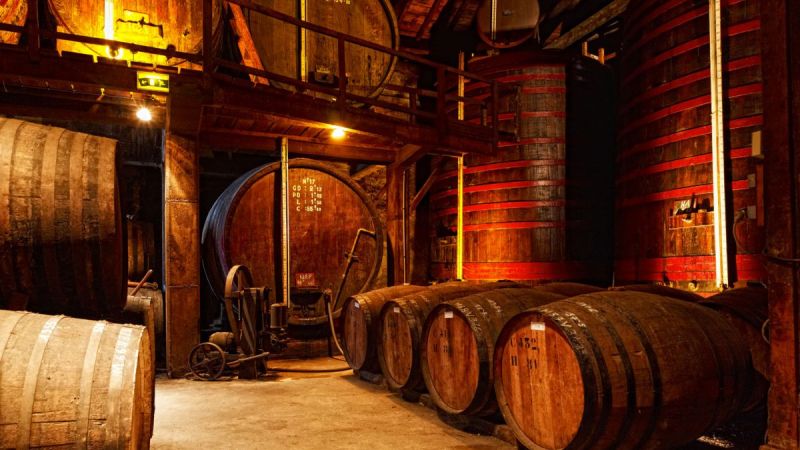
a) Oak, the Timeless Companion: Aging spirits in oak barrels is a tradition that dates back centuries. Oak imparts its own unique flavors to the spirit, while also allowing it to interact with the air, mellowing and refining its taste. The choice of oak and the duration of aging greatly influence the final character of the spirit, giving rise to a diverse range of profiles.

Oak barrels are carefully selected based on their previous use, size, and age, as well as the level of charring or toasting inside. American oak and European oak are popular choices, each providing distinct flavors to the spirit. During the aging process, the spirit breathes, expanding and contracting as it draws in the rich aromas and flavors of the oak.

b) Time, Patience, and Artistry: Aging spirits is a waiting game that requires patience and expertise. Distillers carefully monitor the aging process, taking samples at regular intervals to assess the spirit’s progress. Only when the perfect balance of flavors is achieved does the spirit emerge from its wooden cocoon, ready to be enjoyed by connoisseurs.

In some cases, spirits age for just a few years, while others mature for decades. The aging process is affected by various factors, including climate, humidity, and the size of the barrels. Master distillers use their intuition and experience to determine the ideal aging period, allowing the spirit to reach its peak expression.

Tasting and Appreciating Fine Spirits

a) Nose, Palate, and Finish: The art of tasting spirits involves engaging all the senses. Connoisseurs savor the aroma, identifying the various notes that dance within the glass. Upon the first sip, the palate experiences a symphony of flavors, from the sweet and fruity to the bold and smoky. Finally, the finish lingers, leaving a lasting impression on the palate.

Tasting is an art in itself, requiring a practiced approach to fully appreciate the complexities of a spirit. To properly assess a spirit, one must consider its appearance, aroma, taste, and finish. Each step of the tasting process unveils a new layer of the spirit’s character, allowing connoisseurs to uncover its true essence.

b) Food Pairings: Unlocking New Dimensions: Pairing fine spirits with complementary foods can elevate the tasting experience to new heights. Delicate cheeses, rich chocolates, or robust meats can enhance the spirit’s flavors, creating a harmonious marriage of tastes.

Food pairings can provide a delightful contrast or a complementary flavor profile. For example, pairing a peaty Scotch whisky with a dark chocolate dessert can accentuate the whisky’s smokiness while adding a touch of sweetness. Experimenting with different pairings allows connoisseurs to explore the versatility of spirits and discover new dimensions of flavor.

Celebrating the Timeless Craftsmanship Behind Fine Spirits

The world of liquor distillation is a captivating blend of science, artistry, and tradition. From the distiller’s expertise to the magic of aging, each step in the process contributes to the creation of exceptional spirits. As we raise our glasses to toast the craft of distillation, let us not only enjoy the flavors but also appreciate the dedication and craftsmanship that go into producing these liquid treasures. So, the next time you savor your favorite spirit, remember the intricate art of distillation that makes it a truly remarkable elixir. Cheers!

Blog

The Art of Distillation: Exploring the Dangers and Precautions

Distillation is a time-honored process used to create exquisite hard liquors such as vodka, brandy, and whisky. Dating back to at least the 13th century, distillation has captivated connoisseurs with its ability to produce flavorful spirits. However, it is important to recognize the potential dangers associated with distillation, both during the process and when consuming the final product. In this article, we will delve into the risks and precautions that must be taken to ensure a safe and enjoyable distillation experience.

Distillation: The Craft of Spirit Creation

Distillation is a meticulous process that involves heating a fermented liquid to separate alcohol from impurities, resulting in a purer and more concentrated form of spirits. This technique has been refined over centuries to produce iconic drinks like vodka, brandy, and whisky. Through the careful application of heat and condensation, distillers are able to extract the desired flavors and aromas, creating unique and sought-after beverages.

Hey pizza lovers! If you’re looking for the best pizza in East Lansing, look no further than Georgios! Our cozy restaurant serves up mouthwatering pizzas that you can customize to your heart’s content. Grab your friends and family, and check out our Georgios pizza reviews to see why everyone is raving about us. We can’t wait to serve you the pizza of your dreams!

A Historical Practice with Modern Consequences

Distillation has an abundant that history dates back centuries. Its origins can be traced to such ancient civilizations the Arabs, Greeks, and Chinese, who discovered the process independently. Over time, distillation techniques have been perfected and passed down through generations, resulting in the wide variety of spirits we enjoy today. The evolution of distillation has also brought about new challenges and risks that must be addressed to ensure safety.

Legal Considerations: Home Distillation and the Law

While distillation has a long-standing tradition, it is essential to understand the legal landscape surrounding its practice. In most countries, distilling alcohol at home is illegal due to the potential dangers associated with the process. Governments have implemented strict regulations to control the production and sale of alcoholic beverages to ensure consumer safety. It is crucial for aspiring home distillers to familiarize themselves with local laws and regulations to avoid legal repercussions.

If you enjoy games that are light and easygoing but still offer a chance to win big, try playing at a trusted slot site with a clean, user-friendly interface. Midway through your session, the bonus features keep you excited and eager to keep spinning. By the end of the game, the support from the VIO88 slot site link platform makes everything feel more stable, fun, and perfect for your daily entertainment.

Balancing Knowledge and Risks in Distillation

Balancing Knowledge and Risks in Distillation

The art of distillation requires a delicate balance between knowledge and risk management. The dangers of distillation are directly influenced by the knowledge and seriousness of the person conducting the process. Cutting corners or neglecting safety precautions can lead to catastrophic results. It is crucial to approach distillation with caution and respect for the risks involved. Education and training are essential in acquiring the necessary skills to safely engage in distillation.

Safeguarding Against Catastrophic Consequences

Distillation is not a task to be taken lightly. Cutting corners during the process can have severe consequences. It is essential to follow best practices and guidelines meticulously to ensure the safety of both the distiller and the consumers. Proper equipment, including stills, condensers, and collection vessels, should be used to minimize the risk of accidents. Regular maintenance and inspections of the equipment are crucial to detect any potential issues and address them promptly.

When it comes to finding the best BBQ in Midland, Bone Daddy’s BBQ stands out as a local favorite. Our commitment to quality ingredients and authentic flavors guarantees an unforgettable dining experience. Each dish is crafted with care, ensuring that every bite is a celebration of BBQ goodness. Visit us today and see why we’re the go-to spot for BBQ enthusiasts in the area!

Hidden Dangers Lurking in the Process

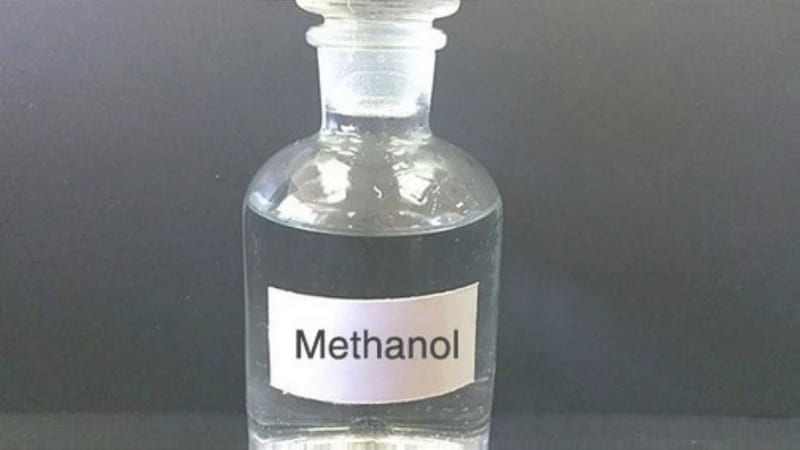
Distillation poses risks during both the consumption of the final product and the distillation process itself. The use of improper materials, mishandling of equipment, or inadequate removal of toxic substances can lead to dangerous outcomes. For example, the heads of the distillate can contain methanol, a highly toxic substance that can cause permanent blindness and even death if ingested in small quantities. A comprehensive understanding of the risks involved is necessary to mitigate potential hazards.

Saving Money vs. Compromising Safety

In an attempt to save money, some individuals may be tempted to distill alcohol at home. However, this can lead to potential dangers. Without proper knowledge and equipment, the risks associated with home distillation outweigh any perceived benefits. It is crucial to prioritize safety over cost-saving measures. Investing in high-quality equipment, sourcing appropriate ingredients, and adhering to established protocols can help ensure a safe distillation process.

Methanol: A Silent and Deadly Threat

Methanol: A Silent and Deadly Threat

One of the most significant risks associated with distillation is the presence of methanol. Methanol is highly toxic and can have severe health consequences if consumed. The heads of the distillate, which contain higher concentrations of methanol, should be carefully separated from the desired spirits. Proper removal of methanol during the distillation process is of utmost importance to eliminate its potential harm.

Recognizing the Methanol Menace

Methanol can occur naturally during fermentation, but it is typically only prevalent when fermenting leaves and stems. Understanding its potential sources and taking necessary precautions can help prevent its presence in the final product, ensuring the safety of consumers. Proper monitoring of fermentation processes and selecting appropriate raw materials can minimize the risk of methanol contamination.

Beyond the Eyes: The Dangers of Methanol

Methanol is not only dangerous when ingested but also when inhaled. It can cause damage to the nervous system and lead to various health complications. Strict adherence to safety measures is crucial to avoid exposure to this hazardous substance. Proper ventilation in the distillation area is essential to prevent the accumulation of methanol vapors, reducing the risk of inhalation.

Materials Matter: Avoiding Toxic Leaching

Another potential danger in distillation is the leaching of toxins from materials used in the process. Certain plastics, such as PVC, can release harmful substances when exposed to alcohol. It is recommended to use inert materials like copper, stainless steel, and glass during distillation to prevent the introduction of toxins into the final product. If plastic must be used, it is important to choose non-toxic plastics like Polypropylene or PTFE (Teflon).

Checking the Legal Status: Avoiding Legal Issues

Distilling alcohol is either illegal or heavily restricted in most parts of the world. The legal status of alcohol distillation varies from country to country and even within different states or regions. It is essential to thoroughly research and understand the legal requirements and restrictions related to distillation in your specific jurisdiction. Ignorance of the law is not a valid defense, so checking the legal status is crucial to avoid legal issues.

Alcohol Poisoning: A Looming Concern

Alcohol Poisoning: A Looming Concern

Alcohol poisoning is a significant concern, with over 95,000 deaths attributed to it in the United States alone. When consuming homemade spirits, there is a risk of dangerously high alcohol content. Home distillers may fail to accurately measure the alcohol content of their liquor, leading to dangerous levels of alcohol consumption. Accurate measurement of alcohol content is vital to prevent alcohol poisoning and ensure the well-being of individuals consuming the distilled spirits.

The Fire Within: Highly Flammable Alcohol

Alcohol with an ABV (alcohol by volume) of 56% or higher is highly flammable at room temperature. The vapors of high-proof alcohol can build up within a container and explosively ignite with a spark. Therefore, it is essential to handle and store alcohol with care, keeping it away from heat sources, ignition sources, and open flames. Proper storage and handling can reduce the risk of fire-related accidents.

Ensuring Electrical Safety during Distillation

Distillation processes often involve the use of electrical components, which can pose additional risks. Electrical connections must stay dry, and precautions should be taken to prevent electrocution. Any circuit powering the still should be protected by a Residual Current Device (RCD), Residual Current Breaker with Overcurrent protection (RCBO), or Ground Fault Circuit Interrupter (GFCI). Slight leaks of alcohol vapor can increase the risk of electrical shock, making proper ventilation crucial for dissipating the vapors and reducing the risk of electrical accidents.

Ventilation: Clearing the Air

Ventilation: Clearing the Air

Proper ventilation is crucial in distillation areas to prevent the build-up of alcohol vapors. Alcohol vapors can be flammable and pose a risk of electrical shock if concentrated. Adequate airflow helps to disperse the vapors, reducing the chances of accidents. It is important to ensure that the distillation area is well-ventilated, allowing for the safe release of alcohol vapors.

Avoiding Explosions: Pressure and Ignition Sources

Distillation itself can be dangerous, as hot alcohol vapors are present near electrical components or open flames. Pressure build-up and ignition sources can cause explosions during distillation. To minimize the risk of explosions, frequent checkups should be conducted to identify any leaks in the distillation apparatus. Distillation columns should never be completely sealed to avoid pressure build-up. Using electricity instead of an open flame can reduce the chances of an explosion during distillation.

Embracing Safety and Mastery in the Art of Distillation

Distillation is an intricate craft that requires careful attention to detail and a deep understanding of the associated risks. From the potential dangers of methanol to the risks of electrical hazards and explosions, it is vital to prioritize safety at every stage of the distillation process. By employing proper techniques, using inert materials, and adhering to legal regulations, distillers can create spirits that are not only delightful but also safe to consume. Always remember that knowledge, experience, and precautions are the key ingredients for a successful and secure distillation journey.

Blog

The Art of Distilling: Unlocking the Essence of Spirits

Distilling, a carefully controlled process, lies at the heart of producing whisk(e)y, gin, and various other spirits. It is a fascinating journey that combines science, history, and craftsmanship. In this article, we will explore the world of distillation, uncovering its rich history, techniques, and the magical transformation of liquid into exquisite spirits. Join us on this immersive adventure into the realm of distilling.

Dengan bergabung dan menjadi member aktif dari situs agen resmi IDNPoker kami, semua permainan judi online terbaru bisa dimainkan melalui satu User ID. Dengan minimal deposit yang sangat terjangkau, kini anda penggemar poker online bisa langsung menikmati semua permainan seru IDN Poker. Disamping itu, beberapa jenis permainan judi kartu online yang disediakan IDN Play menyediakan hadiah jackpot dengan nilai terbesar. Modal kecil bisa dapat nominal hadiah besar jika anda berhasil menggondol jackpot Royal Flush di situs poker terbaik Indonesia

A Modern Distillery: A Scene from the Chocolate Factory

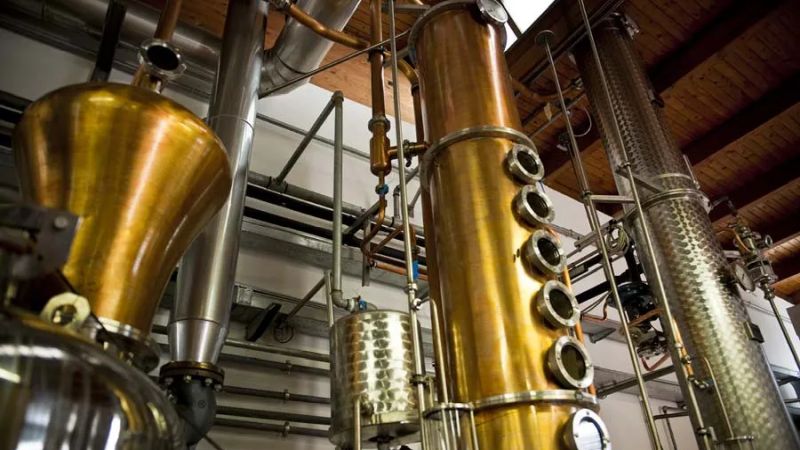
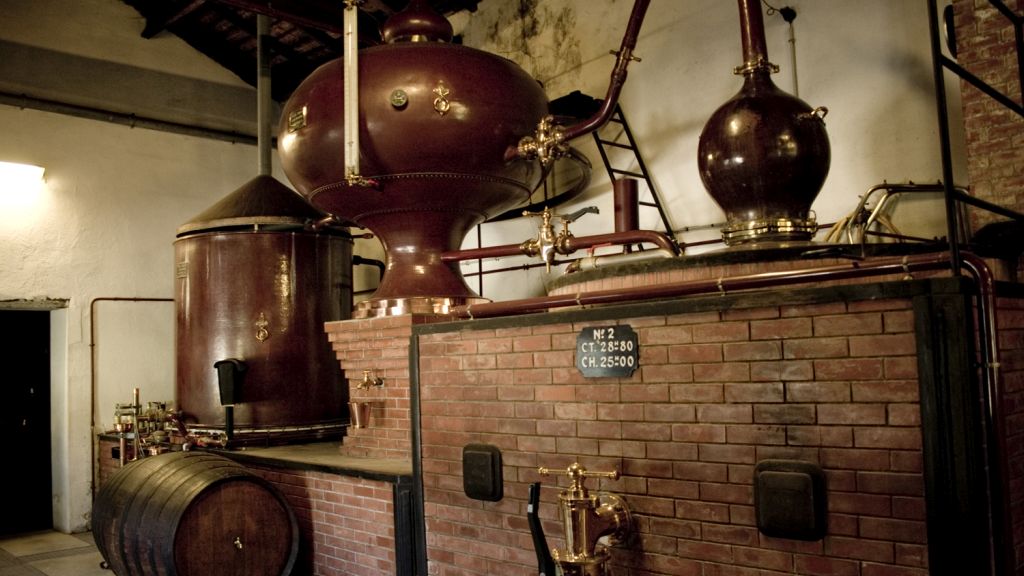
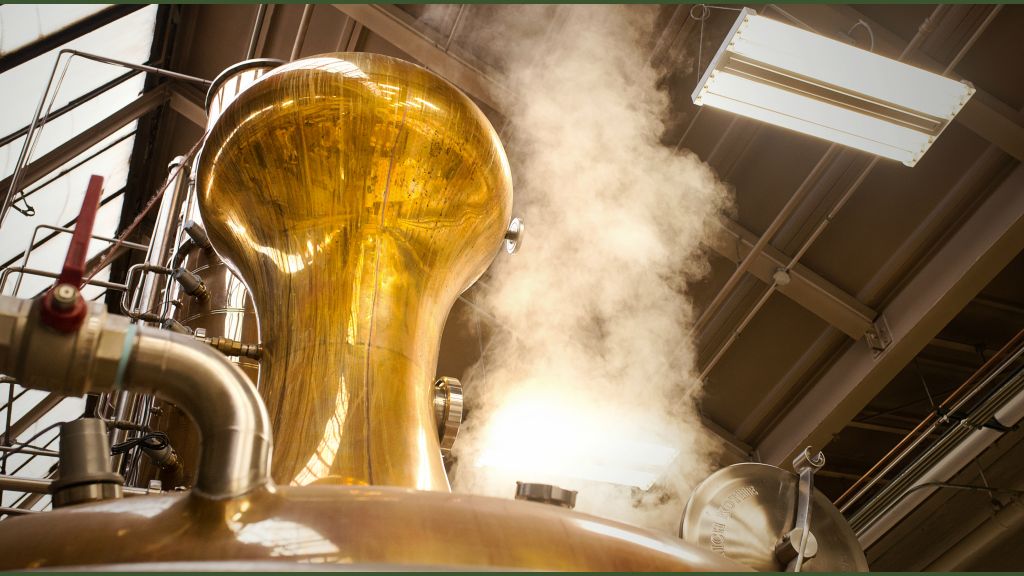
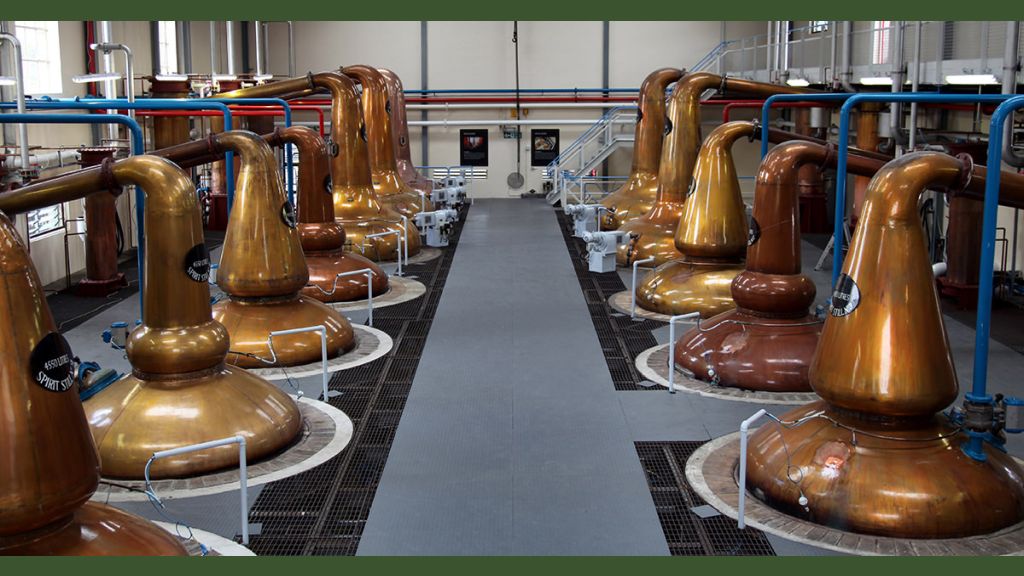
At first sight, a modern distillery may resemble a scene from the Chocolate Factory. Gleaming columns, interconnected tubes, and large copper pots glisten in the light. These impressive setups are the beating heart of distillation, where science and artistry come together to create liquid masterpieces. The equipment facilitates the separation of alcohol from a lower alcohol base through the process of evaporation and condensation.

Distillation: The Alchemical Art

Distilling has deep roots in the history of alchemy, an ancient mystical science. The pursuit of transforming ordinary substances into extraordinary elixirs has always fascinated humans. Over time, distillation emerged as a crucial technique in alchemy, allowing for the extraction of potent essences and the creation of spirits with remarkable properties. Today, the art of distilling continues to captivate and inspire.

From Base to Bliss: Elevating Spirits through Distillation

Distillation is the key to elevating spirits from a lower alcohol base to a higher alcohol content beverage. While fermentation alone cannot produce high-alcohol spirits due to the toxic effects of alcohol on yeast, distillation enables the separation of alcohol from water, creating a more concentrated and potent elixir. It is through this transformative process that the magic happens, turning ordinary liquids into extraordinary libations.

The Dance of Evaporation and Condensation

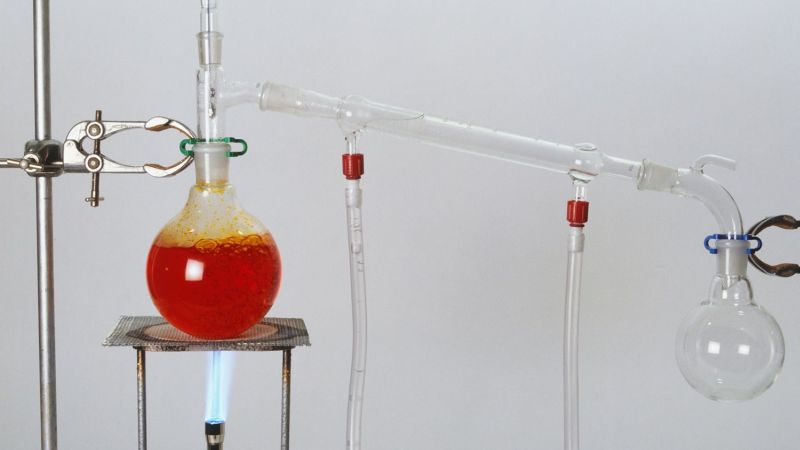
Distilling is a dance of evaporation and condensation. Alcohol, with its lower boiling point than water, evaporates first, allowing distillers to collect the alcohol vapor separately. This vapor is then cooled and condensed back into a liquid form, resulting in a more concentrated and refined spirit. This intricate interplay between heat, vapor, and cooling creates the foundation for the art of distilling.

The Two Methods of Distilling: Alembic and Column

The Two Methods of Distilling: Alembic and Column

Two primary methods of distilling have evolved over time: alembic (pot distilling) and column distilling. Alembic distilling involves heating the primary fermented liquid in a kettle-shaped vessel and condensing the evaporated ethanol. This method allows for the inclusion of desirable congeners, which can impact the flavor of the final product. On the other hand, column distilling, developed as a faster alternative, involves continuous injection of the mash or wash into giant columns. It enables efficient and repeated distillation, resulting in more neutral spirits with higher alcohol content, such as vodka.

The Intrigue of Congeners: Flavor Builders and Discardable Companions

Congeners are compounds that can impact the flavor of distilled spirits. During pot distilling, congeners, including esters, tannins, methanol, and fusel alcohols, can evaporate and influence the final product’s taste and aroma. Distillers can choose to retain or discard specific congeners based on their desired flavor profile. Fusel alcohols, often found at the end of the distillation run, can be either discarded or redistilled to refine the spirit further.

Kalau ada sumur di ladang, boleh kita menumpang mandi. Kalau anda mau situs judi slot online yang gampang menang, boleh kita mendaftar di situs VIO88 – agen resmi IDN Sports penyedia game Slot88 terlengkap. VIO88 adalah situs slot deposit pulsa tanpa potongan dengan bonus terbesar sepanjang masa.

The Art of Cutting: Separating the Gems from the Rest

Cutting is the art of carefully separating congeners by controlling temperature and timing. This process enables distillers to capture the desirable components while discarding or re-distilling unwanted compounds. Methanol, which evaporates at a lower temperature than ethanol, is discarded to ensure the safety of the final product. The skillful execution of cutting is pivotal in creating a balanced and exceptional spirit.

Fractions: Unveiling the Heart of Distillation

The distillation process is divided into fractions, each with its own characteristics. The “fores” contain undesirable compounds and are discarded, while the “head” carries some desirable aromatics. However, it is the “heart” fraction that is considered the most desirable and represents the essence of the spirit. The “tail” fraction, which contains heavier compounds, can be redistilled or discarded depending on the desired flavor profile. Distillers rely on their expertise, precision, and intuition to identify and capture the soul of their creations.

Celebrating the Artistry of Distillation

Distillation is a captivating art form that marries science, history, and craftsmanship. From the gleaming equipment of modern distilleries to the ancient roots of alchemy, the process of distilling spirits is a journey that unfolds through evaporation, condensation, and the delicate balance of congeners. Whether using the traditional alembic or the modern column distillation, skilled distillers create exquisite elixirs that delight the senses and ignite our fascination with the alchemical transformation of liquids. Cheers to the masters of distilling, who bring us the spirits that truly intoxicate our palates.

Blog

Elevating Vodka Cocktails: Rediscovering the Delights of a Versatile Spirit

Vodka cocktails have often been overlooked by craft cocktail enthusiasts due to their neutral flavor profile. However, contrary to popular belief, vodka can serve as an excellent base for creating delicious and well-crafted cocktails. In this article, we will explore some classic and popular vodka-based cocktails, highlighting their unique characteristics and providing recipes for each. Whether you’re looking for a refreshing brunch drink or an evening cocktail, these vodka concoctions are sure to satisfy your taste buds and challenge any preconceptions about vodka’s versatility.

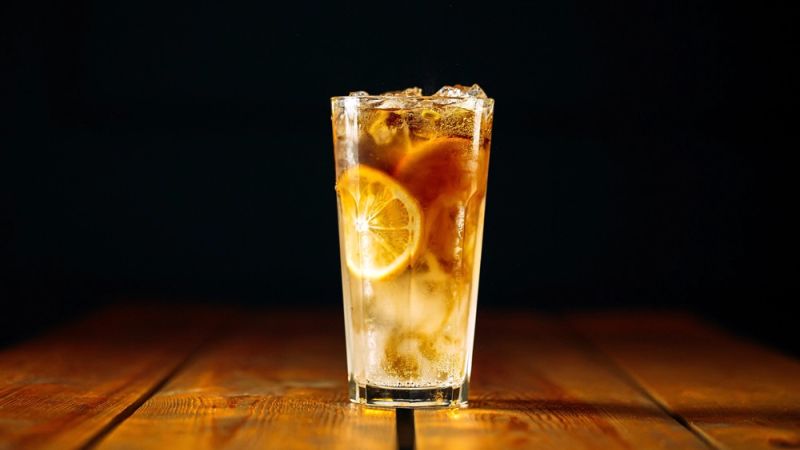
Long Island Iced Tea: A Complex and Balanced Blend

Long Island Iced Tea: A Complex and Balanced Blend

Vodka cocktails are often associated with simplicity, but the Long Island Iced Tea breaks the mold with its complex and balanced flavor profile. This classic cocktail combines multiple base spirits, including vodka, gin, silver rum, and tequila. However, by scaling back the volume of each spirit, this potent drink can be enjoyed without overwhelming the palate. The recipe for a Long Island Iced Tea includes Cointreau, simple syrup, lemon juice, and a top-off of Coca Cola. The combination of these ingredients creates a harmonious blend of flavors, resulting in a refreshing and invigorating cocktail.

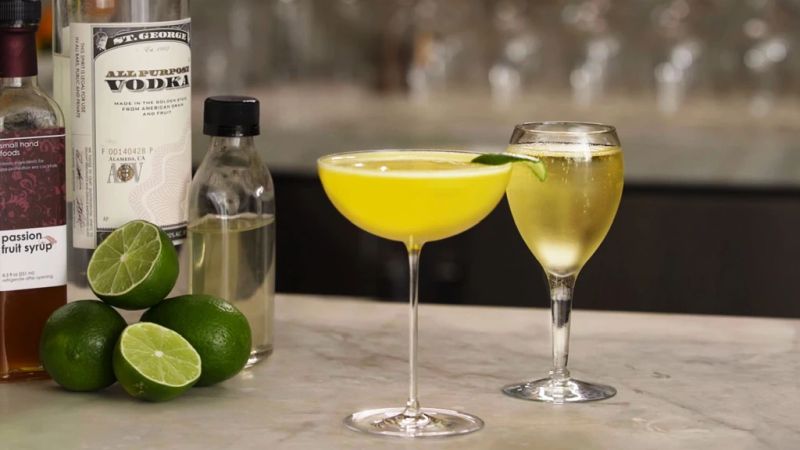
Pornstar Martini: Reigning Supreme for Eight Years

Pornstar Martini: Reigning Supreme for Eight Years

The Pornstar Martini has earned its place as the world’s top cocktail for eight consecutive years, captivating cocktail enthusiasts with its irresistible taste and presentation. This delightful and fruity concoction features vodka, lime juice, vanilla syrup, and passion fruit liqueur or syrup. The blend of citrusy lime, aromatic vanilla, and the exotic essence of passion fruit creates a symphony of flavors that dance on the palate. Whether enjoyed at a trendy bar or made at home, the Pornstar Martini is a crowd-favorite that is both easy to make and visually appealing.

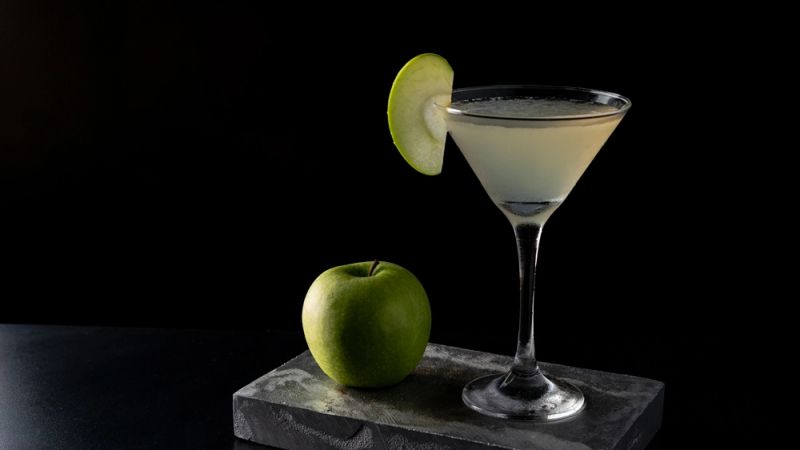
Appletini: A Sweet and Sour Green Apple Sensation

Appletini: A Sweet and Sour Green Apple Sensation

Gaining popularity in Los Angeles during the late 1990s, the Appletini is a refreshing drink that tantalizes the taste buds with its sweet and sour green apple flavors. To elevate this cocktail, fresh ingredients like granny smith apple juice, lemon juice, and simple syrup are used. The combination of these elements creates a vibrant and tangy experience that perfectly balances the sweetness of the apple with a hint of acidity. The Appletini has become a staple on bar menus and is an excellent choice for those who prefer a drink with a sweet and sour twist.

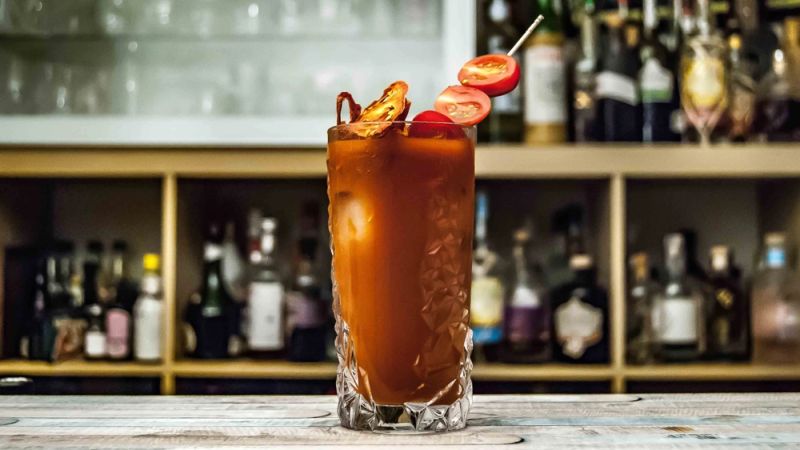
Bloody Mary: A Savory Brunch Favorite

Bloody Mary: A Savory Brunch Favorite

The Bloody Mary is a classic morning cocktail known for its savory and spicy flavor profile. It has become synonymous with leisurely brunches and poolside sipping. This versatile cocktail can be customized to suit individual preferences, allowing for different levels of spiciness and a wide range of garnishes. The base ingredients for a Bloody Mary include vodka and tomato juice, but it’s the additional components like horseradish, Worcestershire sauce, lemon juice, Sriracha, black pepper, salt, and celery salt that give it its signature kick. With its bold and robust flavors, the Bloody Mary is a popular choice for those seeking a satisfying and invigorating brunch drink.

Cosmopolitan: A Bright and Fruity Delight

Cosmopolitan: A Bright and Fruity Delight

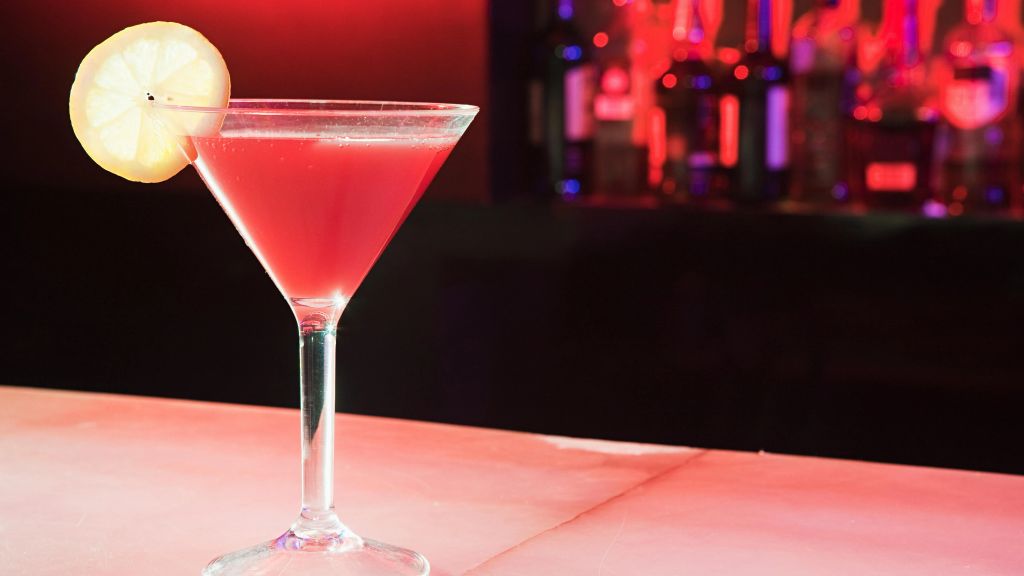
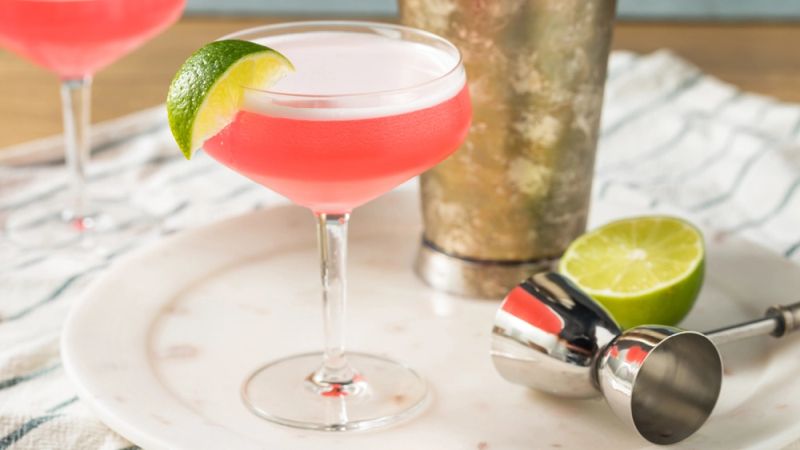
Thanks to its association with the TV show “Sex and the City,” the Cosmopolitan gained immense popularity and is known for its bright and fruity flavors. This well-balanced cocktail combines Absolut Citron Vodka, Cointreau, lime juice, and cranberry juice cocktail. The fusion of citrusy vodka, the zesty kick of lime, and the tartness of cranberry juice creates a harmonious blend that is both refreshing and invigorating. The Cosmopolitan offers a delightful burst of flavors and is often enjoyed as a sophisticated and vibrant cocktail choice.

Kamikaze: A Refreshing and Refined Alternative

Kamikaze: A Refreshing and Refined Alternative

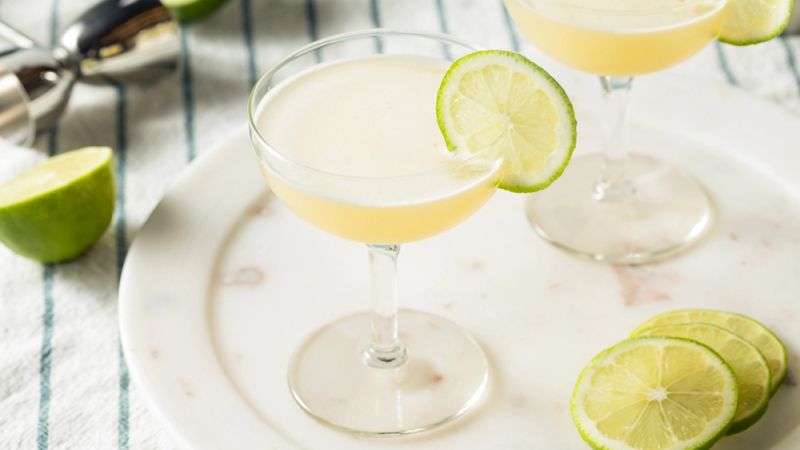
The Kamikaze is a disco-era cocktail that can be a refreshing and refined choice when made with fresh lime juice and high-quality triple sec. This clean and tart cocktail features vodka, lime juice, triple sec, and simple syrup. The combination of these ingredients creates a revitalizing drink with a perfect balance between sweetness and tanginess. The Kamikaze offers a departure from traditional tropical fruit or berry-flavored cocktails, providing a clean and crisp alternative that is sure to please the palate.

Elevating Vodka Cocktails: Embracing the Versatility and Delight

Vodka’s neutral flavor profile allows it to harmonize seamlessly with a variety of ingredients, making it an incredibly versatile choice for crafting cocktails. From the complex and balanced Long Island Iced Tea to the perennial favorite Pornstar Martini, each vodka cocktail showcased in this article offers a unique and delightful drinking experience. Whether you’re hosting a gathering or simply looking to expand your mixology repertoire, these cocktails are bound to impress.

Rediscover the delights of vodka cocktails and let your taste buds embark on a journey of exquisite flavors and pleasurable moments. Elevate your appreciation for vodka as a base spirit, and challenge the notion that it lacks complexity or character. Each cocktail presented here demonstrates the artistry and creativity that can be achieved with vodka, showcasing its ability to be both a versatile and satisfying choice.

So, the next time you find yourself in search of a refreshing brunch drink or an evening cocktail, don’t overlook vodka. Embrace the possibilities it offers and experiment with the classic recipes provided. With their unique flavors and delightful combinations, these vodka cocktails are sure to impress and elevate your drinking experience. Cheers to the rediscovery of vodka cocktails and the endless enjoyment they bring!

ArticleCompany News

Baccarat’s Metamorphosis: A Transcendent Cocktail Experience

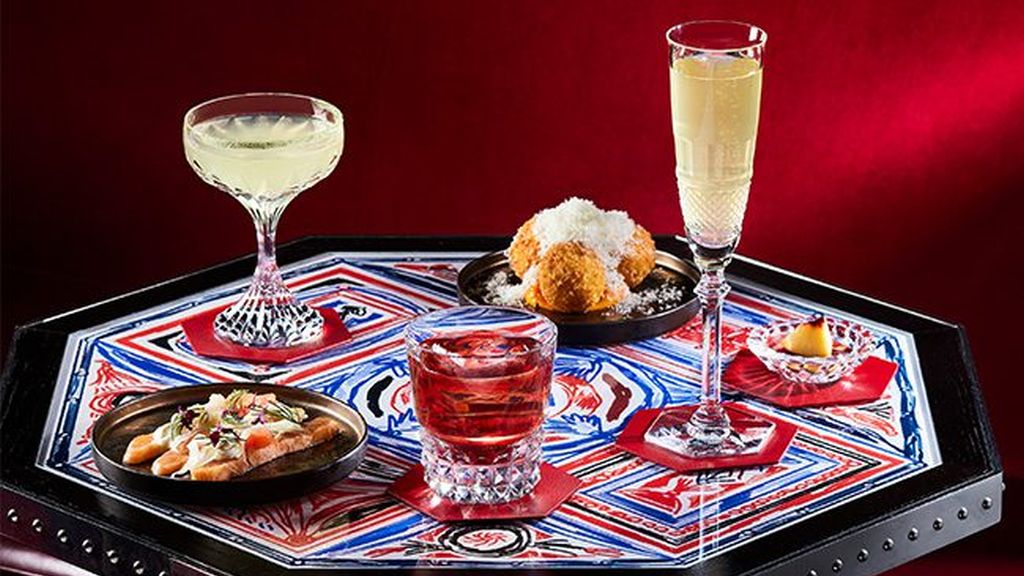
Baccarat, the renowned bar nestled within the iconic Harrods department store in London, has recently unveiled its captivating new cocktail menu, aptly named Metamorphosis. Since its opening in July 2020, Baccarat has consistently been at the forefront of the luxury bar scene. With Metamorphosis, they continue to push boundaries and captivate the senses with a menu that explores innovative production techniques, offers a multi-layered experience, and boasts a fine selection of drinks served in exquisite Baccarat crystal glassware.

Exquisite Transformation

Metamorphosis marks the first menu launched by Baccarat since its inception, promising a transformative journey for even the most discerning palate. Each of the twelve alcoholic and four non-alcoholic options on the menu undergoes a remarkable transition, allowing the core components to evolve, resulting in a truly multi-dimensional and enchanting drinking experience.

The skilled mixologists at Baccarat employ various techniques, such as fermentation, caramelization, and oxidation, to create cocktails that push the boundaries of traditional mixology. By applying these techniques borrowed from the worlds of food, drink, and perfume, Baccarat elevates the art of cocktail creation to new heights.

A Symphony of Techniques

Baccarat’s Metamorphosis menu delves into the realms of culinary and sensory exploration. Drawing inspiration from fermentation, a technique commonly used in the culinary world, the menu offers cocktails that undergo a natural transformation, resulting in complex and layered flavors. Caramelization brings depth and richness to certain concoctions, while oxidation introduces a subtle yet intriguing change over time.

By blending these diverse techniques, Baccarat’s mixologists orchestrate a symphony of flavors, textures, and aromas. Each cocktail is meticulously crafted to achieve balance and create a harmonious composition on the palate. The result is an immersive drinking experience that takes guests on a journey of taste and sensation.

Artistic Collaboration

To complement the innovative libations, the Metamorphosis menu features original illustrations from five accomplished multidisciplinary artists. These artists, renowned for their experimental styles and creative techniques, were briefed on the flavors and colors of each cocktail, resulting in captivating artwork that beautifully captures the concept of metamorphosis.

The artwork displayed on the menu is a visual representation of the flavor profiles and transformative nature of the cocktails. Each artist’s interpretation brings a unique perspective to the drinks, enhancing the overall aesthetic experience for the patrons of Baccarat. The fusion of art and mixology creates a harmonious synergy, adding an extra layer of depth to the already captivating menu.

Elevating the Drinking Experience

Elevating the Drinking Experience


In line with Baccarat’s commitment to excellence, the menu showcases not only exceptional beverages but also the finest glassware in the world. Crafted from Baccarat crystal, the glasses used for the Metamorphosis menu provide a unique and privileged experience, enhancing the enjoyment of both soft drinks and cocktails. The clarity and brilliance of the crystal elevate the visual appeal of the drinks, making the entire experience even more luxurious.

Baccarat’s glassware selection goes beyond mere aesthetics. Some glasses are specifically designed to enhance the characteristics of certain drinks, further emphasizing the importance of the vessel in the overall drinking experience. The shape, size, and material of the glassware have a significant impact on the perception of taste, aroma, and mouthfeel, adding a new dimension to the enjoyment of the cocktails.

An Unforgettable Journey of Taste and Luxury

Baccarat’s Metamorphosis menu represents a harmonious blend of innovation, artistry, and luxury. With its carefully crafted cocktails, each undergoing a remarkable transformation, and its stunning Baccarat crystal glassware, the experience at Baccarat is truly unparalleled. By prioritizing balance, approachability, and emphasizing flavors and ingredients, Baccarat has created a menu that transcends boundaries, appealing to seasoned connoisseurs and newcomers alike.

The collaboration with multidisciplinary artists adds a creative and artistic element to the menu, further enhancing the overall sensory experience. Moreover, the use of Baccarat crystal glassware elevates the enjoyment of the drinks, creating a sense of exclusivity and refinement.

Baccarat’s Metamorphosis menu not only showcases the brand’s commitment to excellence and innovation but also aligns with the timeless and internationally recognized status of both Baccarat and Harrods. It extends their mission of bringing high-end luxury to a broader audience, even those who may not own crystalware at home.

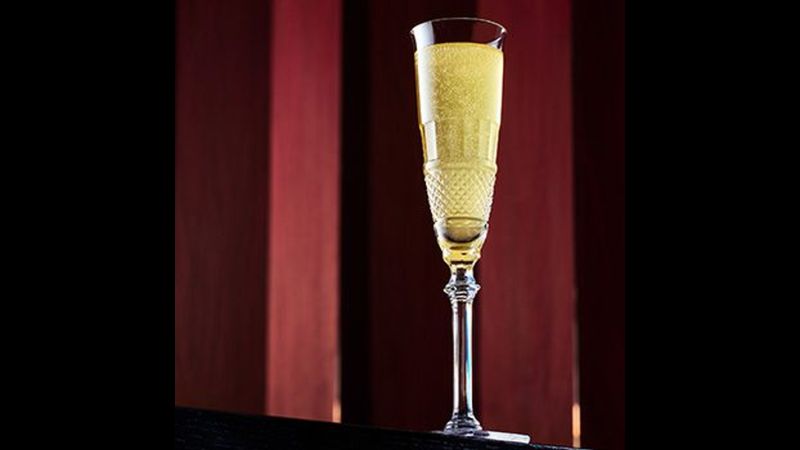
Embark on a transformative journey at Baccarat, where the boundaries of mixology are pushed, and the senses are delighted. Experience the symphony of flavors, the captivating artwork, and the refined glassware that make Metamorphosis a truly transcendent cocktail menu. Indulge in the Mini Reality, the crowd-favorite peach sparkling gin-based drink known for its balanced and approachable texture and flavor, or savor the non-alcoholic V&T, the bar manager’s personal favorite, which offers a similar energy to a double gin and tonic without excessive sugar. At Baccarat, metamorphosis is not just a concept—it’s an unforgettable experience.

Blog

Understanding the Distinct Differences: Liqueur vs. Liquor

Liqueurs and liquors are two distinct categories of alcoholic beverages, each with its own unique characteristics. Understanding the differences between them can enhance your appreciation of these delightful libations. In this article, we delve into the world of liqueur and liquor, exploring their production processes, flavor profiles, and alcohol content. Let’s embark on this flavorful journey together.

Liquor: Fermentation and Distillation

Liquor, also known as hard alcohol or spirits, undergoes a rigorous process of fermentation and distillation. Starting with a base ingredient like grains, molasses, or sugarcane juice, liquor is fermented to convert sugars into alcohol. This fermented liquid is then distilled to increase its alcohol content and concentrate the flavors. The result is a wide range of liquors with varying tastes, strengths, and aromas.

Liqueur: A Sweet and Complex Elixir

Liqueur: A Sweet and Complex Elixir

Unlike liquor, liqueurs are renowned for their sweet and complex flavors. They typically begin with a liquor base, to which a variety of herbs, spices, and other flavorings are added. This infusion process contributes to the distinctive taste profiles found in different types of liqueurs. Liqueurs can be enjoyed on their own, over ice, or as key ingredients in various cocktails and mixed drinks. Their versatility and range of flavors make them popular choices for those seeking a touch of sweetness and complexity in their drinking experience.

Distillation: Concentrating the Essence

The process of distillation plays a pivotal role in the creation of liquor. By boiling off water and concentrating the alcohol and other compounds, distillation significantly increases the alcohol content of the beverage. This results in liquors with a higher proof or alcohol by volume (ABV), typically ranging from 40 to 55 percent ABV. Distillation also helps refine and intensify the flavors and aromas present in the base ingredient, giving each type of liquor its distinct character and taste.

Sweetness: The Key Distinction

One of the fundamental differences between liqueur and liquor lies in their sweetness levels. Liqueurs are renowned for their intense flavors and sweetness, which often take center stage in the overall taste profile. The addition of herbs, spices, fruits, and other flavorings creates a harmonious blend of flavors, with sweetness being the predominant note. On the other hand, liquors such as whiskey, brandy, rum, vodka, gin, and tequila tend to have a lower sweetness level compared to liqueurs. While they may possess some inherent sweetness, it is usually more subtle and balanced by other flavor elements.

Alcohol Content: A Matter of Strength

Alcohol Content: A Matter of Strength

Alcohol content is another differentiating factor between liqueurs and liquors. Liquors, known for their robust nature, typically boast a higher alcohol content. Most liquors have an alcohol content of 40 to 55 percent ABV or 80 to 110 proof. This higher alcohol concentration provides a stronger and more pronounced alcoholic kick. In contrast, liqueurs generally have a lower alcohol content, ranging from 15 to 30 percent ABV or 30 to 60 proof. The lower alcohol content in liqueurs allows the flavors and sweetness to shine, making them more approachable and suitable for sipping or mixing into cocktails.

Exploring Liquors

1. Whiskey: Crafted from fermented grains such as barley, corn, wheat, or rye, whiskey encompasses a diverse range of styles and flavors. The aging process in wooden barrels imparts rich caramel, vanilla, and oak notes, resulting in a complex and sophisticated spirit.

2. Rum: Derived from molasses or sugarcane juice, rum is often aged in oak barrels, resulting in a rich and complex spirit. The aging process infuses flavors of tropical fruits, caramel, and spices, offering a diverse range of expressions, from light and floral to dark and full-bodied.

3. Vodka: Popular in Eastern and Northern Europe, vodka is typically made from fermented cereal grains or potatoes. Known for its neutral taste and smoothness, vodka serves as a versatile base for countless cocktails and is often prized for its purity and clarity.

4. Gin: A complex and botanical-rich liquor, gin starts with a base spirit and incorporates oils, spices, and most notably, juniper berries. The unique blend of botanicals gives gin its characteristic aroma and flavor, ranging from herbal and floral to citrusy and spicy, making it a favorite among cocktail enthusiasts.

5. Tequila: Originating from Mexico, tequila is made from fermented blue agave plants, delivering a unique earthy flavor. Tequila showcases a spectrum of styles, from the vibrant and peppery Blanco to the smooth and rich Añejo, each offering a distinct taste experience.

6. Brandy: Crafted from distilled wine, brandy often incorporates additional fruits like apples or pears during the production process, offering a diverse range of flavors. Brandy can be enjoyed neat or used in a variety of cocktails, with different styles ranging from delicate and fruity to robust and complex.

Exploring Liqueurs

1. Amaro: A bitter liqueur popular in Italy, Amaro is made from a blend of botanical ingredients and is renowned for its complex and distinctive taste. With herbal and citrus undertones, Amaro is often enjoyed as a digestif and used as a key component in classic cocktails like the Negroni.

2. Cream Liqueurs: Sweet and creamy, these indulgent liqueurs often contain milk or milk substitutes, adding a luscious texture to the drinking experience. Irish cream liqueur is a well-known example, combining whiskey, cream, and flavors like chocolate and vanilla.

3. Citrus Liqueurs: Examples like Triple Sec and limoncello offer vibrant flavors of orange and lemon peel, respectively, infusing a refreshing twist to cocktails. These liqueurs provide zesty and citrusy notes that complement a wide range of spirits and mixers.

4. Secretive Elixirs: Liqueurs such as Chartreuse and Benedictine boast secretive ingredient lists and were originally concocted for medicinal purposes, adding an air of mystery to their allure. These liqueurs feature complex herbal and botanical flavors, often with centuries-old recipes that are closely guarded secrets.

Conclusion

Liqueurs and liquors represent two fascinating worlds of alcoholic beverages. While liquor undergoes fermentation and distillation to achieve higher alcohol content, liqueurs charm us with their sweet and complex flavors. The distinct characteristics of each category make them perfect for various occasions and cocktail creations. Whether you prefer the refined strength of liquors or the indulgent sweetness of liqueurs, exploring the diverse offerings within these categories promises a captivating journey for any drink connoisseur. Cheers to the delightful world of liqueur and liquor!