Month: August 2023

Blog

The Evolution of Distillery: From Ancient Origins to Artisanal Renaissance

Distillation: Unveiling the Alchemical Art

Distillation, a transformative process unlike the fermentation of wine and beer, stands as a distinct and essential step in the creation of spirits. This method, born from the alchemical pursuits of uncovering the secrets of substances, held an unexpected role in the genesis of alcohol. The history of distillation traces back to ancient times, leaving traces as early as 800 B.C. Evidence emerges from diverse cultures like Asia, where crude distillates were crafted from rice and mare’s milk.

LINKSLOT delivers a responsive and user-friendly online slot experience designed for modern players. Users can quickly access daily bonus features and progressive jackpots without complicated steps. Every game mechanism is presented transparently, allowing strategies to be applied with clarity and confidence. For players looking for the latest slot link, you can explore reliable access through https://setandansawit.net/ to ensure smooth entry. Read the full article to understand each feature in depth and maximize your overall gameplay experience.

Alchemy’s Unintended Legacy

Alchemy, the precursor to modern chemistry, embarked on a journey to decipher the mysteries of matter. In this quest, it inadvertently paved the way for alcohol’s emergence. The secrets unearthed by alchemists traveled from Asia to the realms of Ancient Greece, enduring well into the 1st century A.D. “Maria the Jewess,” an enigmatic figure, is attributed to pioneering the tribikos, a primitive pot still, a crucial tool in distillation’s evolution.

The process of distillation separates liquids based on their different boiling points. It’s a technique that allows for the concentration of alcohol, resulting in more potent and refined spirits. Unlike the simpler processes used to make beer and wine, distillation involves heating a liquid to create vapor and then cooling that vapor to create a liquid. This intricate method requires an understanding of temperature, pressure, and the properties of different substances.

Playing online lottery games can be as exciting as putting together your favorite puzzle. By monitoring the Macau results and reviewing Macau Toto data, you can choose your numbers with greater confidence and a clearer strategy. Taking a relaxed approach while enjoying the prediction process often feels even more satisfying than the final outcome itself. For a more complete experience, you can check here and explore additional resources available online. You can also visit https://www.macau4d.org/ and read more here to discover helpful hints, more information, and useful content to maximize your winning opportunities.

Alembic and Ambrosia: Distillation’s Milestones
Alembic and Ambrosia: Distillation's Milestones

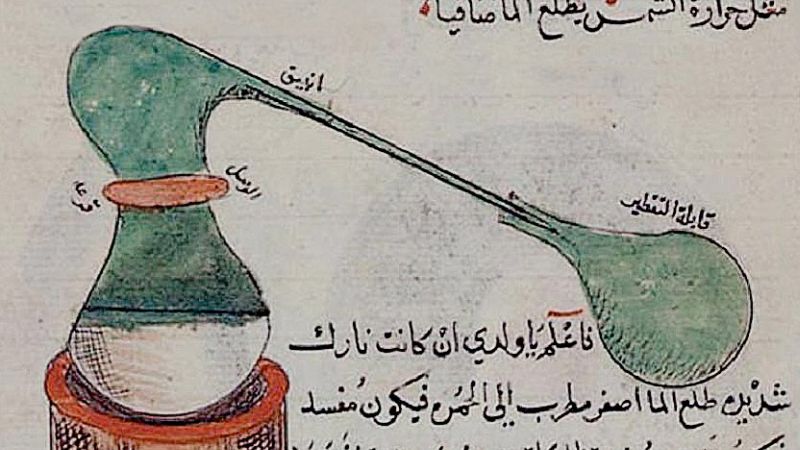
Abu Musa Jabir ibn Hayyan’s groundbreaking design of the alembic pot still in the 8th century A.D. marked a turning point. This innovation revolutionized alcohol distillation, enabling the collection of clear and flammable vapor from wine. Distilled alcohol initially found purpose in rituals and medicines during the 9th century, gradually expanding its utility. By the 12th century, an Italian medical school documented the first official use of distilled alcohol.

The alembic pot still, attributed to Jabir ibn Hayyan, played a vital role in the refinement of distillation techniques. It allowed for greater control over the distillation process and the separation of alcohol from other substances. This advancement paved the way for the production of higher quality and more consistent spirits.

Distillation’s Transformative Journey

Hieronymus Brunschwig’s “The Virtuous Art of Distilling” in the 16th century exemplified a pivotal shift. Distilled alcohol transitioned from medicinal aid to recreational indulgence, exemplified by the notable rise of “aqua vitae.” The 17th century saw this elixir gaining traction, eventually leading to its widespread consumption.

Brunschwig’s work highlighted the broader applications of distilled alcohol. It showcased various methods of distillation and the diverse range of spirits that could be produced. This shift towards recreational consumption marked a significant societal change, as distilled spirits became more readily available for leisure rather than solely for medicinal or ritualistic purposes.

Watching a match without placing a bet is like watching a movie without a soundtrack—it feels incomplete. Use a football betting site to take part in the action and experience the thrill behind every goal. With live features that support last-minute predictions, you stay in control until the final whistle. For click here for more information, visit: https://kidukidu.org/. You can also explore exciting options such as online slot games to diversify your entertainment. Enjoy real winning sensations, regular bonuses, and a more electrifying viewing experience overall.

The Industrial Alchemy: Modernizing Distillation
The Industrial Alchemy: Modernizing Distillation

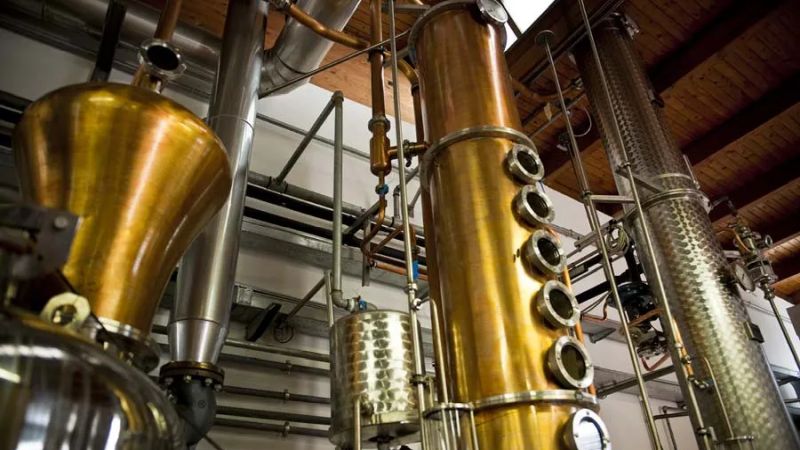
The 19th century witnessed monumental advancements. Robert Stein and Aeneas Coffey’s invention of the continuous still, also known as the column still, redefined distillation. This innovation ensured a constant distillation process, driving industrialization’s growth and commercialization of spirits. Avicenna’s ingenious coiled cooling tube further refined pot distillation efficiency, adding to the modernization wave.

The continuous still revolutionized the efficiency of distillation. Unlike traditional pot stills, which required multiple distillation cycles to achieve high alcohol content, the continuous still allowed for a continuous flow of liquid through the distillation process. This not only increased production capacity but also contributed to the consistency of the final product.

Crafting Tradition Anew: Artisanal Resurgence

As industrial distillation boomed, the essence of craftsmanship found a resurgence in the modern era. The craft distilling movement, a response to the mass production of spirits, emerged, offering a diverse array of unique, small-batch concoctions. This renaissance has reintroduced the world to the charm of artisanal spirits, celebrating the roots of distillation while embracing innovation.

The craft distilling movement is a testament to the appreciation of tradition and the desire for quality over quantity. It emphasizes the hands-on approach to distillation, often using traditional methods and locally sourced ingredients. This trend has gained a loyal following of consumers who value the stories behind the spirits and the distinct flavors that come from smaller-scale production.

A Spirited Legacy

From the ancient alchemical pursuits to modern craft distilleries, the journey of distillation is a testament to human ingenuity and curiosity. The intricate dance of heat, vapor, and liquid has shaped the world of spirits into what we know today. As we raise our glasses to enjoy the diverse and innovative array of artisanal spirits, let us also raise a toast to the generations of distillers and alchemists who paved the way for this spirited legacy.
Blog

Exploring the World of Base Liquors

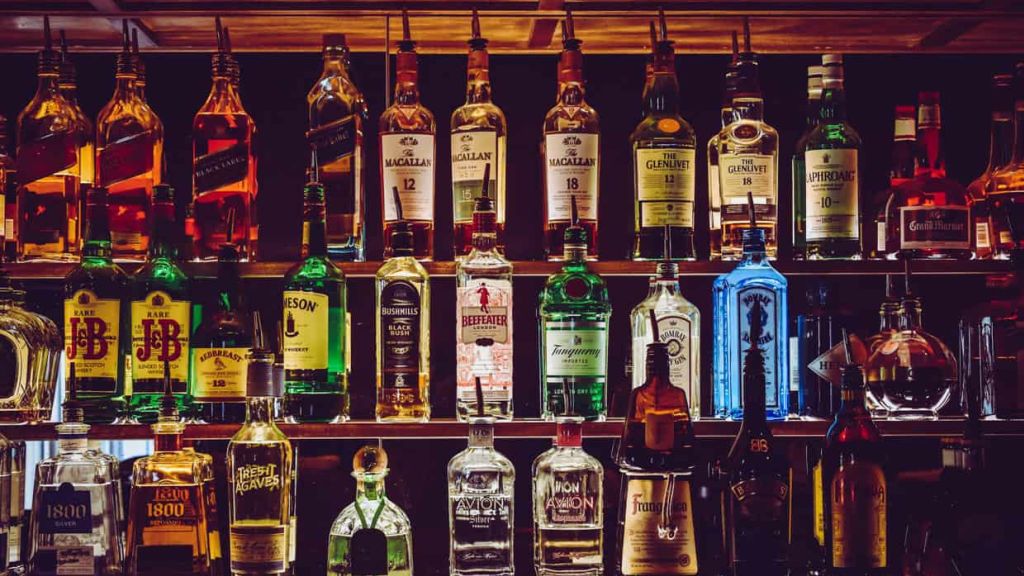
When it comes to the art of mixology, there is an essential palette of base liquors that every home bartender should be well-acquainted with. These base spirits form the backbone of countless cocktails, each offering a unique flavor profile and distinct characteristics that contribute to the complexity and depth of the drinks they create. Among these foundational spirits, six stand out as cornerstones of the craft: brandy, gin, rum, tequila, vodka, and whiskey.

Brandy: A Timeless Elegance

Brandy: A Timeless Elegance

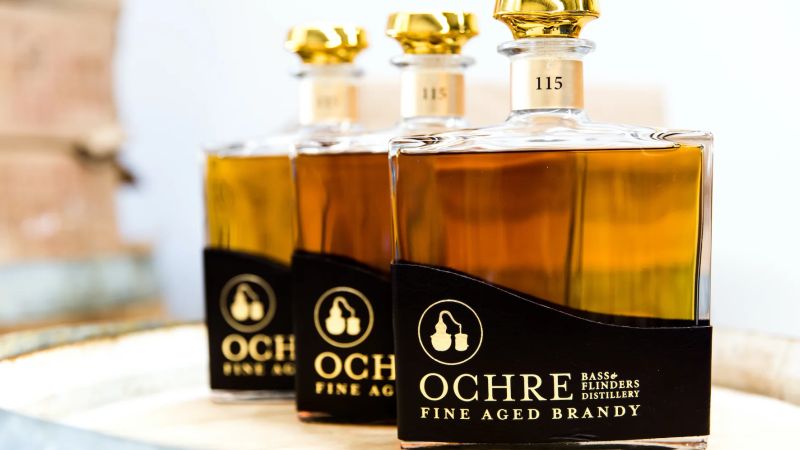
Brandy, often associated with sophistication and class, is distilled from a variety of fruits like grapes, apples, apricots, cherries, and peaches. This diverse range of source fruits imparts a wide spectrum of flavors, from the rich and velvety to the bright and fruity. Brandy’s flavor profile includes fruity burnt wine notes, harmoniously entwined with a pleasant oakiness derived from aging in wooden casks. It’s a spirit that can be enjoyed neat, on the rocks, or as the heart of classic cocktails like the Sidecar and the Brandy Alexander. Modern mixologists are also pushing the boundaries of brandy’s potential, experimenting with innovative combinations that highlight its complexity.

Gin: The Elixir of Botanicals

Gin: The Elixir of Botanicals

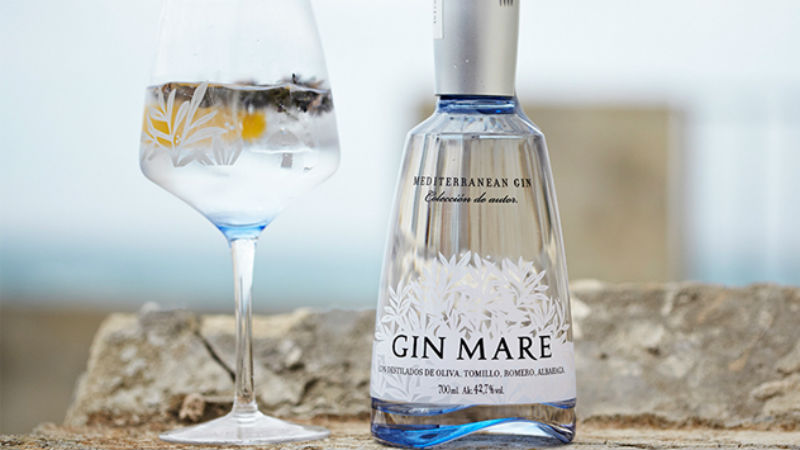
Gin, with its dry and herbaceous character, occupies a special place in the world of cocktails. What sets gin apart is its reliance on botanicals, particularly juniper berries, which provide that signature “piney” aroma and taste. Beyond juniper, various other botanicals are employed to create a symphony of flavors, from floral and citrusy to spicy and earthy. This diversity makes gin a versatile ingredient in a wide array of cocktails, ranging from the classic Martini to the vibrant Negroni. Different styles like London Dry Gin, Plymouth Gin, Old Tom Gin, Genever, and New American Gin offer distinct profiles, ensuring that there’s a gin for every palate and cocktail preference.

Rum: Captivating Sweetness

Rum: Captivating Sweetness

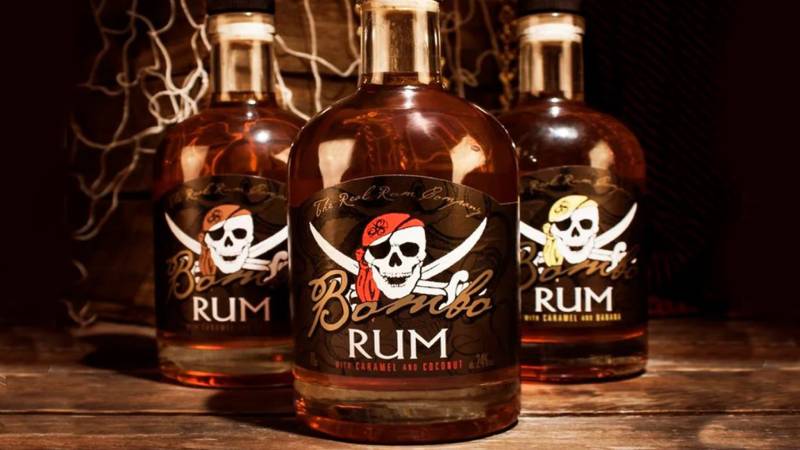
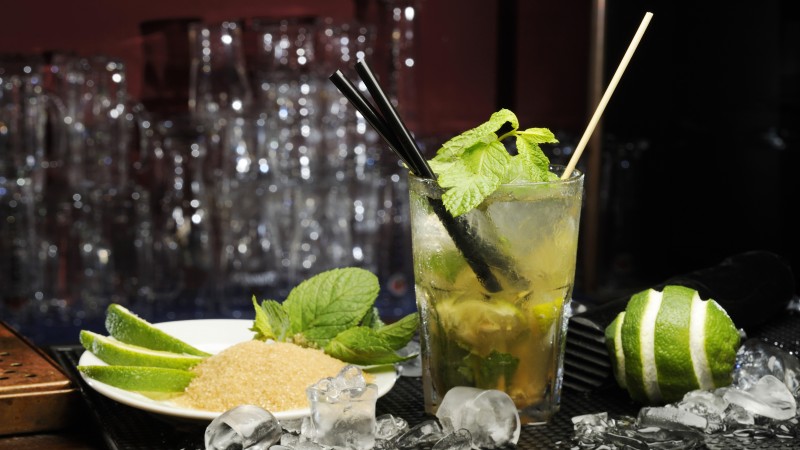
Rum’s allure lies in its natural sweetness, making it a beloved choice for cocktails that transport you to tropical paradises. Distilled from sugar sources such as molasses and pure sugar cane, rum boasts a flavor profile that varies across styles and regions. From the light and crisp notes of Light Rum to the rich and robust flavors of Dark Rum, each variation brings something unique to the table. Spiced Rum adds a warm and aromatic dimension, perfect for concocting drinks that capture the essence of exotic spices. Whether it’s a refreshing Mojito, a classic Daiquiri, or a complex Tiki creation, rum’s versatility is unmatched.

Tequila: The Spirit of Agave

Tequila: The Spirit of Agave

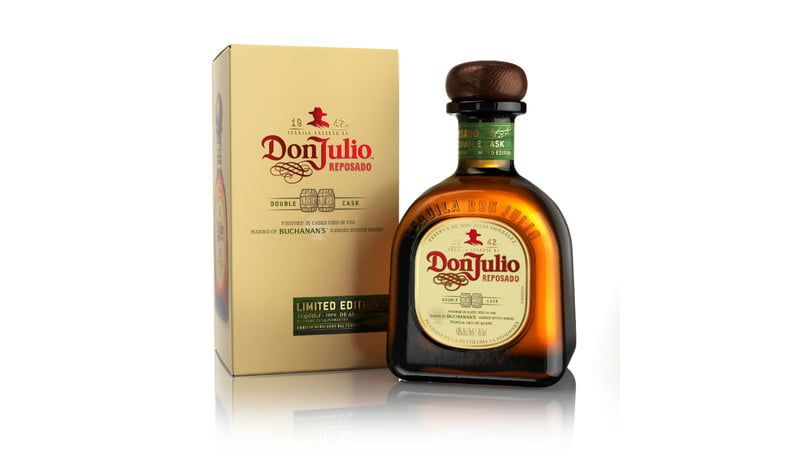
Tequila, originating from the agave plant, embodies the essence of Mexican culture and craftsmanship. Its flavor profile is characterized by a range of notes, including vegetal, earthy, semi-sweet, and spicy tones. This makes it a versatile spirit for cocktails that span from the zesty Margarita to the adventurous Tequila Sunrise. Tequila’s aging process adds depth and complexity, with Blanco, Reposado, Añejo, and Extra-Añejo styles each contributing their own nuances to the final product. Strictly regulated by the Tequila Regulatory Council (CRT), this spirit is a testament to the artistry and tradition that define the world of tequila.

Vodka: The Chameleon of Cocktails

Vodka: The Chameleon of Cocktails

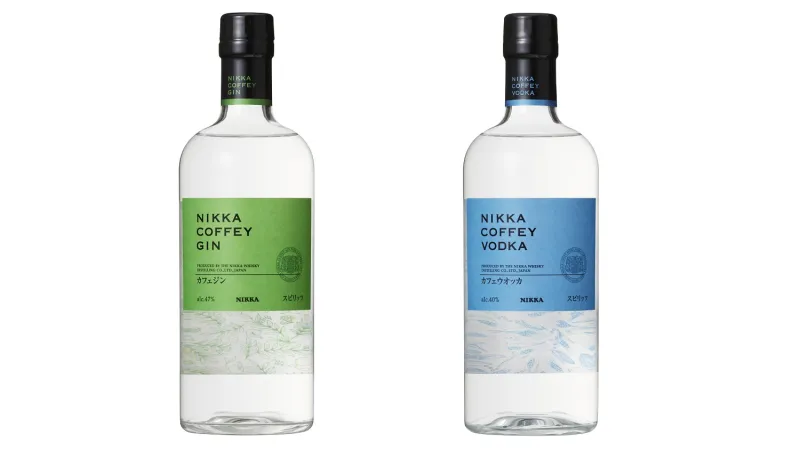
Vodka’s neutrality is its superpower, allowing it to seamlessly blend into a multitude of cocktails and let other flavors shine. It’s a spirit that’s distilled from various sources, including grains, potatoes, beets, and grapes, resulting in different nuances in each variation. Vodka’s flavor profile is primarily influenced by its base and any added flavorings, allowing mixologists to craft an expansive range of drinks, from classic Martinis to inventive Moscow Mules. With origins in Russia and Poland, vodka has spread its influence globally, offering a clean canvas for both traditional and contemporary cocktails.

Whiskey: A World of Complexity

Whiskey: A World of Complexity

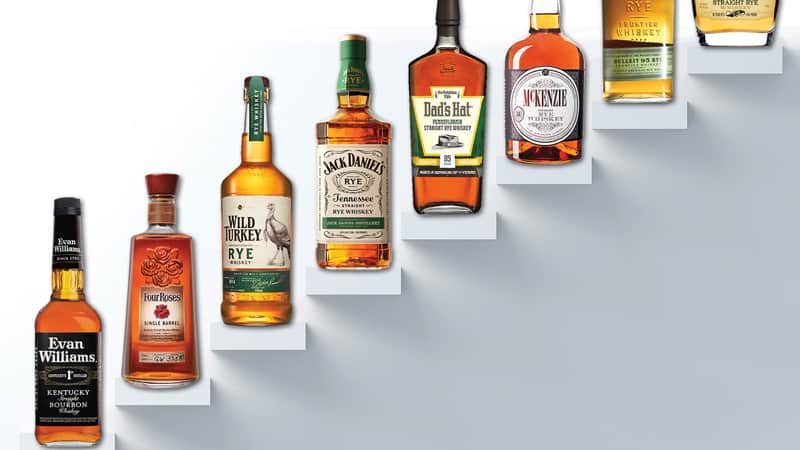
Whiskey, with its diverse array of styles and intricate flavor profiles, is a playground for cocktail creativity. Derived from malted grains like corn, rye, wheat, and barley, whiskey’s flavors range from the bold and robust to the smooth and mellow. Each style, whether it’s Bourbon, Canadian Whisky, Irish Whiskey, Japanese Whisky, Rye Whiskey, or Scotch Whisky, reflects its region’s traditions and expertise. Whiskey can be enjoyed in classic drinks like the Old Fashioned and the Whiskey Sour, as well as more experimental concoctions that showcase its versatility.

In conclusion, the six base liquors—brandy, gin, rum, tequila, vodka, and whiskey—form the bedrock of cocktail culture. Their diverse flavor profiles, unique characteristics, and rich histories offer an inexhaustible source of inspiration for mixologists. Understanding the nuances of each base liquor is not just a skill, but an art, one that empowers home bartenders to create cocktails that tell stories, evoke emotions, and satisfy the most discerning palates. So, whether you’re crafting a timeless classic or embarking on an innovative cocktail adventure, these base spirits will always be your faithful companions on the journey. Cheers to the world of mixology, where every sip is a celebration of craftsmanship and creativity!

Blog

Bartenders’ Artistry: Elevating the Two-Ingredient Cocktail Experience

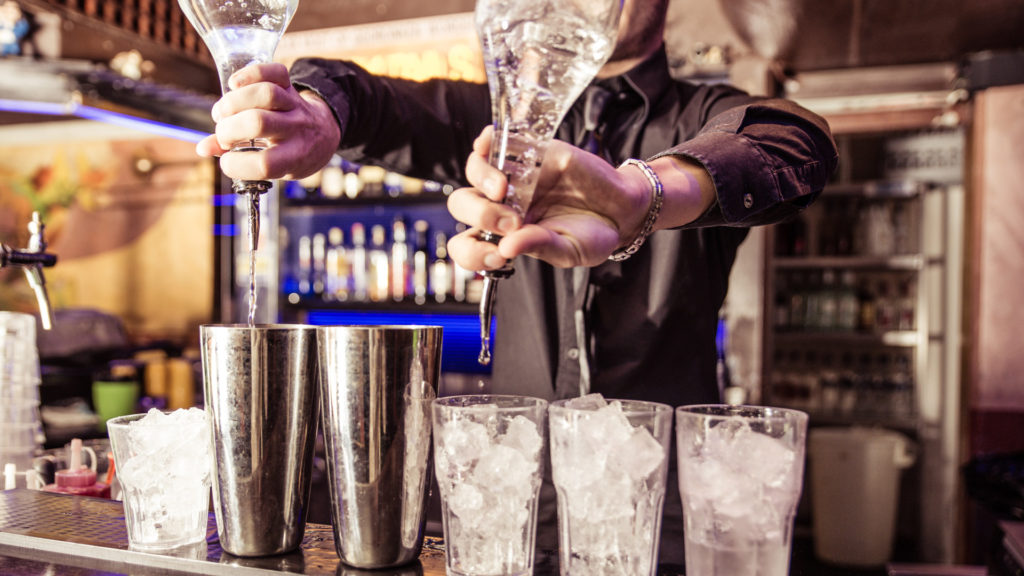
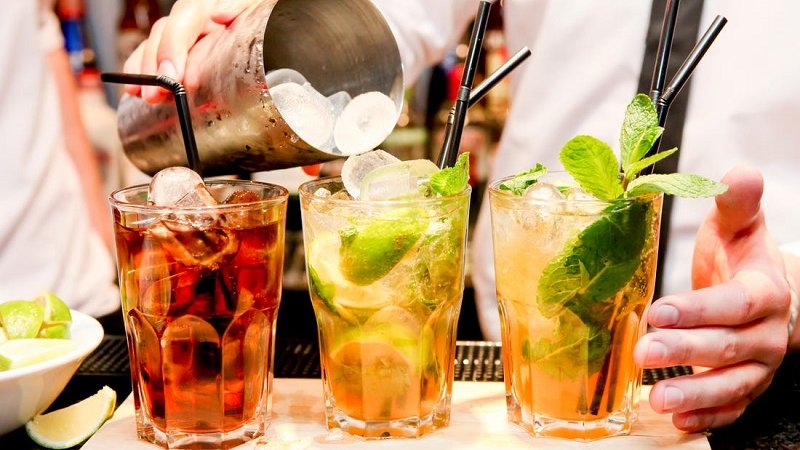
When it comes to crafting cocktails, bartenders are akin to skilled artists, masterfully combining flavors to create liquid symphonies that dance on the taste buds. In the midst of their creative journey, even the experts occasionally seek solace in the simplicity of a well-crafted two-ingredient cocktail. Behind the bar, where time is of the essence, these libations are not only a testament to the bartender’s finesse but also a refreshing indulgence during their well-deserved breaks.

1. The Art of Simplicity

Bartenders, orchestrators of the bar’s bustling ambiance, often opt for straightforward two-ingredient cocktails as their shift drinks. This choice isn’t merely a matter of convenience; it’s an opportunity for these artists of mixology to appreciate the essence of each ingredient. Like a minimalist canvas, this choice highlights the subtleties and nuances that each element brings, resulting in a concoction that is greater than the sum of its parts.

2. Complexity in Simplicity

The concept that simplicity equates to a lack of complexity is quickly dispelled when a perfectly balanced two-ingredient cocktail graces your palate. Craftsmanship lies not only in the number of components but in the skillful harmony between them. A seemingly basic cocktail can be a revelation of flavors, a sensory journey that lingers long after the glass is empty.

3. Unique Combinations Unveiled

Unique Combinations Unveiled

Bartenders, akin to alchemists, generously share their favorite two-ingredient cocktails, unveiling combinations that are as unique as they are delightful. These selections aren’t random but rather a product of careful consideration, a result of countless experiments, and an intimate understanding of flavor profiles.

4. Natasha David: Highball Harmony

One such revelation comes from the esteemed Natasha David, whose highball concoction of Suze and elderflower tonic showcases her expertise. The marriage of Suze, an aromatic and slightly bitter liqueur, with the delicate effervescence of elderflower tonic, creates a libation that is simultaneously herbal and refreshingly crisp. It’s a testament to how two seemingly contrasting elements can harmonize seamlessly.

5. Vermouth’s Versatility

Blanc vermouth, often overlooked, emerges as a versatile companion that pairs remarkably well with orange juice. The marriage of these ingredients, when executed with finesse, results in a drink that tantalizes the taste buds with citrusy brightness while maintaining the depth of the vermouth’s botanicals. Certain vermouths, with their vanilla notes, lend a touch of sophistication, elevating the simple orange juice into a delightful concoction.

6. The Intrigue of Fernet Branca Menta and Espresso

For those seeking a more sophisticated experience, Fernet Branca Menta and espresso converge to create a drink that is both captivating and bold. The menthol-laden notes of Fernet Branca Menta intermingle with the rich, earthy essence of freshly brewed espresso. The result is a libation that’s not just a drink but an experience—a grown-up Shakerato that stimulates both the senses and the spirit.

7. St-Germain’s Floral Symphony

Bartenders' Artistry: Elevating the Two-Ingredient Cocktail Experience

St-Germain, celebrated for its floral elegance, finds an enchanting partner in sparkling wine. This marriage produces a drink that’s effervescent, refreshing, and harmoniously balanced. The subtle sweetness of St-Germain dances gracefully with the sparkling wine’s vivacity, culminating in a sipper that’s fit for celebrations or moments of personal indulgence.

8. Grüner Veltliner: Lazy Sangria’s Secret

For outdoor gatherings, the combination of Grüner Veltliner and peach liqueur presents a lazy sangria that’s a quintessential companion for BBQs and picnics. The wine’s crispness and the liqueur’s stone fruit essence marry beautifully, creating a libation that’s as relaxing as it is flavorful—a true embodiment of leisure.

9. Unlikely Alliances: Bourbon and Cranberry

In the realm of unexpected pairings, the sweetness of bourbon finds a surprising harmony with the tartness of cranberry juice. Akin to a tango on the taste buds, these ingredients intertwine, resulting in a flavor profile that’s both comforting and intriguing—an alliance that challenges the conventional and rewards the adventurous.

10. White Pineau des Charentes: Light Luxuriousness

White Pineau des Charentes, often overshadowed, emerges into the spotlight when combined with pressed coconut water. The result is a luscious yet light libation that evokes a sense of indulgence without overwhelming the senses. It’s a testament to the magic that can occur when simplicity and sophistication converge.

11. The Intensity of Ferrari

Bartenders' Artistry: Elevating the Two-Ingredient Cocktail Experience

For those who seek intensity in their libations, the Ferrari cocktail—crafted from Campari and Fernet-Branca—offers a symphony of flavors that’s nothing short of spectacular. Whether enjoyed as a shot or transformed into a cocktail, the Ferrari is a testament to the heights that a two-ingredient concoction can reach.

12. Accidental Bliss: Cognac and Dr Pepper

Sometimes, serendipity plays a hand in mixology. A favored combo emerged when cognac accidentally mingled with Dr Pepper, resulting in an unexpected yet delightful blend. This revelation serves as a reminder that the world of cocktails is ripe with possibilities, waiting for the curious palate to uncover.

13. Decadence in Simplicity

Amaro Averna, renowned for its bitter complexity, transforms into a decadent delight when coupled with heavy cream. This unexpected combination marries the Amaro’s intricate flavors with the velvety richness of cream, resulting in a libation that’s both indulgent and gratifying.

14. Pathfinder’s Pineapple Partner

Even in the realm of non-alcoholic spirits, harmonious pairings reign supreme. The Pathfinder, a beacon of flavor in the non-alcoholic landscape, finds its perfect partner in pineapple juice. The fruit’s vibrant sweetness complements the Pathfinder’s dynamic essence, offering a non-alcoholic symphony that’s worth raising a glass to.

In Conclusion

Behind the bustling bars and the meticulously crafted cocktails, bartenders find solace in the simplicity of two-ingredient libations. These drinks, far from being basic, showcase the artistry and ingenuity that define the world of mixology. From the harmonious symphony of flavors to the unexpected unions that dance on the palate, the world of two-ingredient cocktails is a canvas where bartenders paint their creativity and passion, one sip at a time. Natasha David’s book “Drink Lightly” encapsulates this spirit, offering readers a glimpse into the world of creative pairings that redefine the boundaries of libation artistry. So, whether you’re seeking a refreshing highball or a sophisticated Shakerato, remember that the world of two-ingredient cocktails is a playground of endless possibilities, waiting for you to explore.