Month: July 2023

Blog

The Art of Liquor Distillation

Liquor distillation is an ancient craft that has evolved over centuries, transforming simple raw ingredients into complex, nuanced spirits that delight our senses. From the fragrant juniper berries of gin to the aged oak barrels of whiskey, the process of distillation has become an art form in itself. This article delves into the fascinating world of liquor distillation, exploring the craftsmanship and expertise required to create the finest spirits. Join us on this journey as we unlock the secrets behind the creation of these delightful libations.

The Distiller’s Expertise

The first key to producing exceptional spirits lies in the hands of the distiller. Like an alchemist, the distiller combines science and art to harness the flavors hidden within the raw ingredients. Their deep understanding of chemistry, temperature control, and fermentation is essential in guiding the distillation process. From carefully selecting the grains or fruits to perfecting the distillation apparatus, the distiller’s expertise plays a pivotal role in crafting the distinct character of each spirit.

A distiller’s journey begins with a passion for the craft, often handed down through generations or cultivated over years of dedicated study. They must possess a keen sense of smell and taste, able to detect subtle nuances and flaws in the spirit. This keen sensory perception allows them to make crucial decisions throughout the distillation process, ensuring the final product meets their exacting standards.

To produce a spirit with exceptional flavor and character, the distiller must first start with the finest raw materials. Distilleries often work closely with local farmers to source high-quality grains, fruits, or other ingredients. Every step, from harvesting to storage, is carefully controlled to preserve the integrity of the ingredients.

The Essence of Flavor: Representing Distillation’s Keywords

a) Distinctive Ingredients: The soul of every spirit lies in its ingredients. Whether it’s the botanicals of gin, the sugarcane of rum, or the grains of whiskey, the choice and quality of ingredients define the spirit’s unique character. Distillers meticulously source the finest raw materials, knowing that each component contributes to the final flavor profile.

In the realm of gin, the botanical blend is of utmost importance. Juniper berries, coriander, citrus peel, and other botanicals create a symphony of flavors, while the base spirit provides a canvas for these flavors to shine. In contrast, the world of whiskey depends on grains and their distinct combinations. From corn’s sweetness to rye’s spiciness, each grain contributes its personality to the final product.

b) Artful Blending: In the pursuit of perfection, many spirits undergo a process of blending. This involves skillfully combining different batches or aged spirits to achieve a harmonious balance of flavors. The art of blending demands a deep understanding of the spirits’ individual characteristics, leading to a final product that is greater than the sum of its parts.

Blending is particularly significant in the production of whiskey. Master blenders must possess an incredible palate to identify spirits that complement each other flawlessly. They artfully mix various aged whiskies to craft a consistent and complex final product. Some distilleries even keep blending recipes a closely guarded secret, passed down only to a select few within the company.

The Transformation: From Mash to Spirit

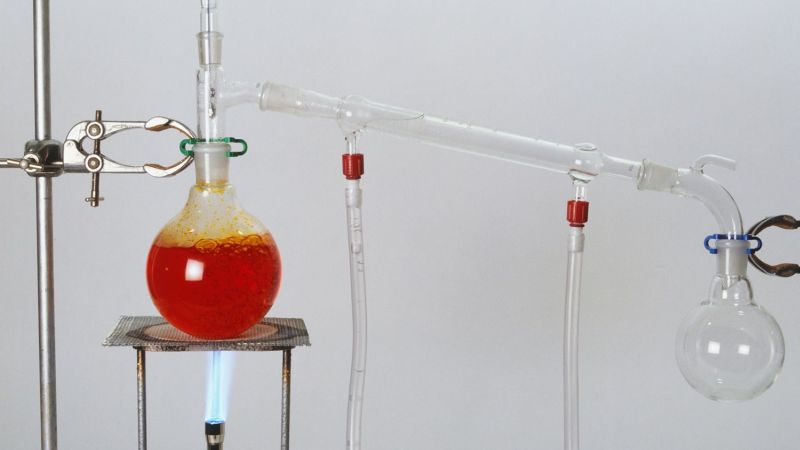
The distillation process can be likened to a magical transformation. It all begins with the mash, a mixture of grains, fruits, or other raw materials, combined with water and yeast to initiate fermentation. The fermented mash is then heated in a still, where alcohol and other volatile compounds vaporize at specific temperatures. The vapor is then condensed back into liquid form, resulting in the spirit we know and love.

The type of still used and the number of distillation runs can significantly impact the spirit’s final character. Pot stills, for example, produce a spirit with more complex flavors, while column stills are renowned for producing lighter and more neutral spirits, such as vodka.

The Magic of Aging: Maturation in Wooden Casks
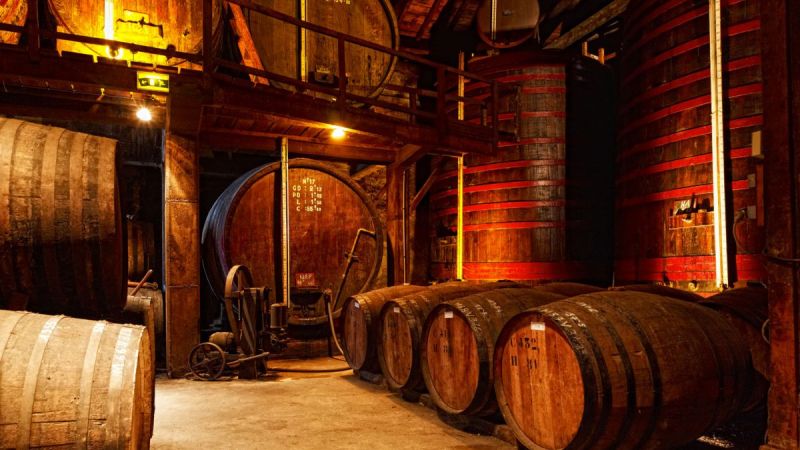
The Magic of Aging: Maturation in Wooden Casks

a) Oak, the Timeless Companion: Aging spirits in oak barrels is a tradition that dates back centuries. Oak imparts its own unique flavors to the spirit, while also allowing it to interact with the air, mellowing and refining its taste. The choice of oak and the duration of aging greatly influence the final character of the spirit, giving rise to a diverse range of profiles.

Oak barrels are carefully selected based on their previous use, size, and age, as well as the level of charring or toasting inside. American oak and European oak are popular choices, each providing distinct flavors to the spirit. During the aging process, the spirit breathes, expanding and contracting as it draws in the rich aromas and flavors of the oak.

b) Time, Patience, and Artistry: Aging spirits is a waiting game that requires patience and expertise. Distillers carefully monitor the aging process, taking samples at regular intervals to assess the spirit’s progress. Only when the perfect balance of flavors is achieved does the spirit emerge from its wooden cocoon, ready to be enjoyed by connoisseurs.

In some cases, spirits age for just a few years, while others mature for decades. The aging process is affected by various factors, including climate, humidity, and the size of the barrels. Master distillers use their intuition and experience to determine the ideal aging period, allowing the spirit to reach its peak expression.

Tasting and Appreciating Fine Spirits

a) Nose, Palate, and Finish: The art of tasting spirits involves engaging all the senses. Connoisseurs savor the aroma, identifying the various notes that dance within the glass. Upon the first sip, the palate experiences a symphony of flavors, from the sweet and fruity to the bold and smoky. Finally, the finish lingers, leaving a lasting impression on the palate.

Tasting is an art in itself, requiring a practiced approach to fully appreciate the complexities of a spirit. To properly assess a spirit, one must consider its appearance, aroma, taste, and finish. Each step of the tasting process unveils a new layer of the spirit’s character, allowing connoisseurs to uncover its true essence.

b) Food Pairings: Unlocking New Dimensions: Pairing fine spirits with complementary foods can elevate the tasting experience to new heights. Delicate cheeses, rich chocolates, or robust meats can enhance the spirit’s flavors, creating a harmonious marriage of tastes.

Food pairings can provide a delightful contrast or a complementary flavor profile. For example, pairing a peaty Scotch whisky with a dark chocolate dessert can accentuate the whisky’s smokiness while adding a touch of sweetness. Experimenting with different pairings allows connoisseurs to explore the versatility of spirits and discover new dimensions of flavor.

Celebrating the Timeless Craftsmanship Behind Fine Spirits

The world of liquor distillation is a captivating blend of science, artistry, and tradition. From the distiller’s expertise to the magic of aging, each step in the process contributes to the creation of exceptional spirits. As we raise our glasses to toast the craft of distillation, let us not only enjoy the flavors but also appreciate the dedication and craftsmanship that go into producing these liquid treasures. So, the next time you savor your favorite spirit, remember the intricate art of distillation that makes it a truly remarkable elixir. Cheers!
Blog

The Art of Distillation: Exploring the Dangers and Precautions

Distillation is a time-honored process used to create exquisite hard liquors such as vodka, brandy, and whisky. Dating back to at least the 13th century, distillation has captivated connoisseurs with its ability to produce flavorful spirits. However, it is important to recognize the potential dangers associated with distillation, both during the process and when consuming the final product. In this article, we will delve into the risks and precautions that must be taken to ensure a safe and enjoyable distillation experience.

Distillation: The Craft of Spirit Creation

Distillation is a meticulous process that involves heating a fermented liquid to separate alcohol from impurities, resulting in a purer and more concentrated form of spirits. This technique has been refined over centuries to produce iconic drinks like vodka, brandy, and whisky. Through the careful application of heat and condensation, distillers are able to extract the desired flavors and aromas, creating unique and sought-after beverages.

Hey pizza lovers! If you’re looking for the best pizza in East Lansing, look no further than Georgios! Our cozy restaurant serves up mouthwatering pizzas that you can customize to your heart’s content. Grab your friends and family, and check out our Georgios pizza reviews to see why everyone is raving about us. We can’t wait to serve you the pizza of your dreams!

A Historical Practice with Modern Consequences

Distillation has an abundant that history dates back centuries. Its origins can be traced to such ancient civilizations the Arabs, Greeks, and Chinese, who discovered the process independently. Over time, distillation techniques have been perfected and passed down through generations, resulting in the wide variety of spirits we enjoy today. The evolution of distillation has also brought about new challenges and risks that must be addressed to ensure safety.

Legal Considerations: Home Distillation and the Law

While distillation has a long-standing tradition, it is essential to understand the legal landscape surrounding its practice. In most countries, distilling alcohol at home is illegal due to the potential dangers associated with the process. Governments have implemented strict regulations to control the production and sale of alcoholic beverages to ensure consumer safety. It is crucial for aspiring home distillers to familiarize themselves with local laws and regulations to avoid legal repercussions.

If you enjoy games that are light and easygoing but still offer a chance to win big, try playing at a trusted slot site with a clean, user-friendly interface. Midway through your session, the bonus features keep you excited and eager to keep spinning. By the end of the game, the support from the VIO88 slot site link platform makes everything feel more stable, fun, and perfect for your daily entertainment.

Balancing Knowledge and Risks in Distillation

Balancing Knowledge and Risks in Distillation

The art of distillation requires a delicate balance between knowledge and risk management. The dangers of distillation are directly influenced by the knowledge and seriousness of the person conducting the process. Cutting corners or neglecting safety precautions can lead to catastrophic results. It is crucial to approach distillation with caution and respect for the risks involved. Education and training are essential in acquiring the necessary skills to safely engage in distillation.

Safeguarding Against Catastrophic Consequences

Distillation is not a task to be taken lightly. Cutting corners during the process can have severe consequences. It is essential to follow best practices and guidelines meticulously to ensure the safety of both the distiller and the consumers. Proper equipment, including stills, condensers, and collection vessels, should be used to minimize the risk of accidents. Regular maintenance and inspections of the equipment are crucial to detect any potential issues and address them promptly.

When it comes to finding the best BBQ in Midland, Bone Daddy’s BBQ stands out as a local favorite. Our commitment to quality ingredients and authentic flavors guarantees an unforgettable dining experience. Each dish is crafted with care, ensuring that every bite is a celebration of BBQ goodness. Visit us today and see why we’re the go-to spot for BBQ enthusiasts in the area!

Hidden Dangers Lurking in the Process

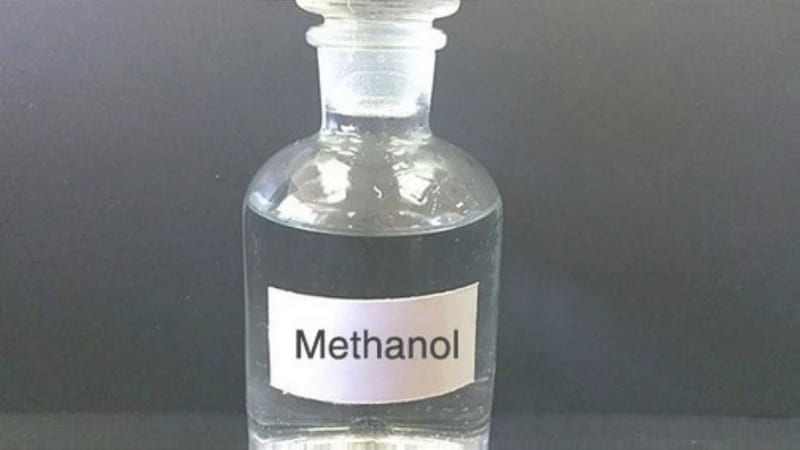
Distillation poses risks during both the consumption of the final product and the distillation process itself. The use of improper materials, mishandling of equipment, or inadequate removal of toxic substances can lead to dangerous outcomes. For example, the heads of the distillate can contain methanol, a highly toxic substance that can cause permanent blindness and even death if ingested in small quantities. A comprehensive understanding of the risks involved is necessary to mitigate potential hazards.

Saving Money vs. Compromising Safety

In an attempt to save money, some individuals may be tempted to distill alcohol at home. However, this can lead to potential dangers. Without proper knowledge and equipment, the risks associated with home distillation outweigh any perceived benefits. It is crucial to prioritize safety over cost-saving measures. Investing in high-quality equipment, sourcing appropriate ingredients, and adhering to established protocols can help ensure a safe distillation process.

Methanol: A Silent and Deadly Threat

Methanol: A Silent and Deadly Threat

One of the most significant risks associated with distillation is the presence of methanol. Methanol is highly toxic and can have severe health consequences if consumed. The heads of the distillate, which contain higher concentrations of methanol, should be carefully separated from the desired spirits. Proper removal of methanol during the distillation process is of utmost importance to eliminate its potential harm.

Recognizing the Methanol Menace

Methanol can occur naturally during fermentation, but it is typically only prevalent when fermenting leaves and stems. Understanding its potential sources and taking necessary precautions can help prevent its presence in the final product, ensuring the safety of consumers. Proper monitoring of fermentation processes and selecting appropriate raw materials can minimize the risk of methanol contamination.

Beyond the Eyes: The Dangers of Methanol

Methanol is not only dangerous when ingested but also when inhaled. It can cause damage to the nervous system and lead to various health complications. Strict adherence to safety measures is crucial to avoid exposure to this hazardous substance. Proper ventilation in the distillation area is essential to prevent the accumulation of methanol vapors, reducing the risk of inhalation.

Materials Matter: Avoiding Toxic Leaching

Another potential danger in distillation is the leaching of toxins from materials used in the process. Certain plastics, such as PVC, can release harmful substances when exposed to alcohol. It is recommended to use inert materials like copper, stainless steel, and glass during distillation to prevent the introduction of toxins into the final product. If plastic must be used, it is important to choose non-toxic plastics like Polypropylene or PTFE (Teflon).

Checking the Legal Status: Avoiding Legal Issues

Distilling alcohol is either illegal or heavily restricted in most parts of the world. The legal status of alcohol distillation varies from country to country and even within different states or regions. It is essential to thoroughly research and understand the legal requirements and restrictions related to distillation in your specific jurisdiction. Ignorance of the law is not a valid defense, so checking the legal status is crucial to avoid legal issues.

Alcohol Poisoning: A Looming Concern

Alcohol Poisoning: A Looming Concern

Alcohol poisoning is a significant concern, with over 95,000 deaths attributed to it in the United States alone. When consuming homemade spirits, there is a risk of dangerously high alcohol content. Home distillers may fail to accurately measure the alcohol content of their liquor, leading to dangerous levels of alcohol consumption. Accurate measurement of alcohol content is vital to prevent alcohol poisoning and ensure the well-being of individuals consuming the distilled spirits.

The Fire Within: Highly Flammable Alcohol

Alcohol with an ABV (alcohol by volume) of 56% or higher is highly flammable at room temperature. The vapors of high-proof alcohol can build up within a container and explosively ignite with a spark. Therefore, it is essential to handle and store alcohol with care, keeping it away from heat sources, ignition sources, and open flames. Proper storage and handling can reduce the risk of fire-related accidents.

Ensuring Electrical Safety during Distillation

Distillation processes often involve the use of electrical components, which can pose additional risks. Electrical connections must stay dry, and precautions should be taken to prevent electrocution. Any circuit powering the still should be protected by a Residual Current Device (RCD), Residual Current Breaker with Overcurrent protection (RCBO), or Ground Fault Circuit Interrupter (GFCI). Slight leaks of alcohol vapor can increase the risk of electrical shock, making proper ventilation crucial for dissipating the vapors and reducing the risk of electrical accidents.

Ventilation: Clearing the Air

Ventilation: Clearing the Air

Proper ventilation is crucial in distillation areas to prevent the build-up of alcohol vapors. Alcohol vapors can be flammable and pose a risk of electrical shock if concentrated. Adequate airflow helps to disperse the vapors, reducing the chances of accidents. It is important to ensure that the distillation area is well-ventilated, allowing for the safe release of alcohol vapors.

Avoiding Explosions: Pressure and Ignition Sources

Distillation itself can be dangerous, as hot alcohol vapors are present near electrical components or open flames. Pressure build-up and ignition sources can cause explosions during distillation. To minimize the risk of explosions, frequent checkups should be conducted to identify any leaks in the distillation apparatus. Distillation columns should never be completely sealed to avoid pressure build-up. Using electricity instead of an open flame can reduce the chances of an explosion during distillation.

Embracing Safety and Mastery in the Art of Distillation

Distillation is an intricate craft that requires careful attention to detail and a deep understanding of the associated risks. From the potential dangers of methanol to the risks of electrical hazards and explosions, it is vital to prioritize safety at every stage of the distillation process. By employing proper techniques, using inert materials, and adhering to legal regulations, distillers can create spirits that are not only delightful but also safe to consume. Always remember that knowledge, experience, and precautions are the key ingredients for a successful and secure distillation journey.

Blog

The Art of Distilling: Unlocking the Essence of Spirits

Distilling, a carefully controlled process, lies at the heart of producing whisk(e)y, gin, and various other spirits. It is a fascinating journey that combines science, history, and craftsmanship. In this article, we will explore the world of distillation, uncovering its rich history, techniques, and the magical transformation of liquid into exquisite spirits. Join us on this immersive adventure into the realm of distilling.

Dengan bergabung dan menjadi member aktif dari situs agen resmi IDNPoker kami, semua permainan judi online terbaru bisa dimainkan melalui satu User ID. Dengan minimal deposit yang sangat terjangkau, kini anda penggemar poker online bisa langsung menikmati semua permainan seru IDN Poker. Disamping itu, beberapa jenis permainan judi kartu online yang disediakan IDN Play menyediakan hadiah jackpot dengan nilai terbesar. Modal kecil bisa dapat nominal hadiah besar jika anda berhasil menggondol jackpot Royal Flush di situs poker terbaik Indonesia

A Modern Distillery: A Scene from the Chocolate Factory

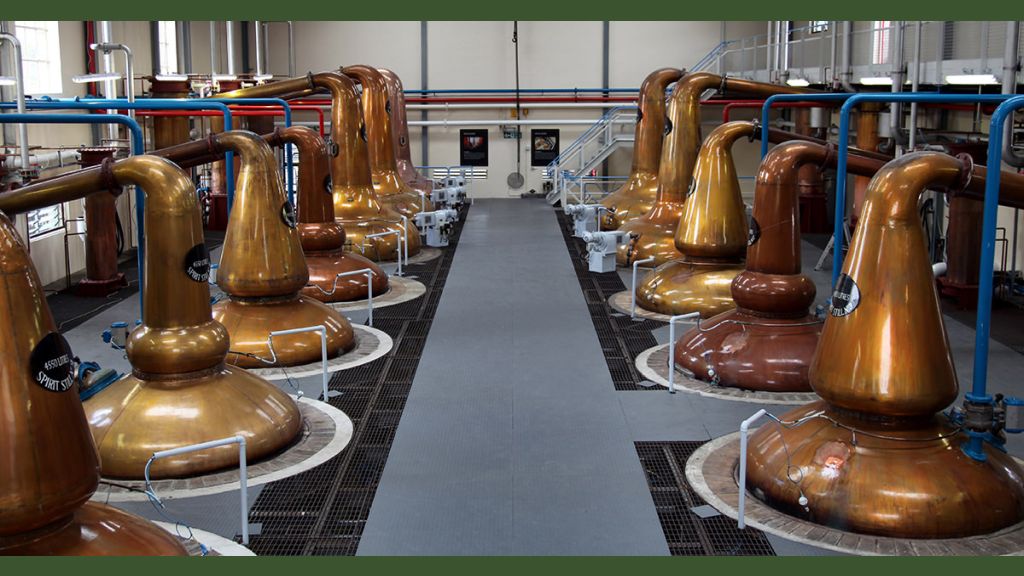
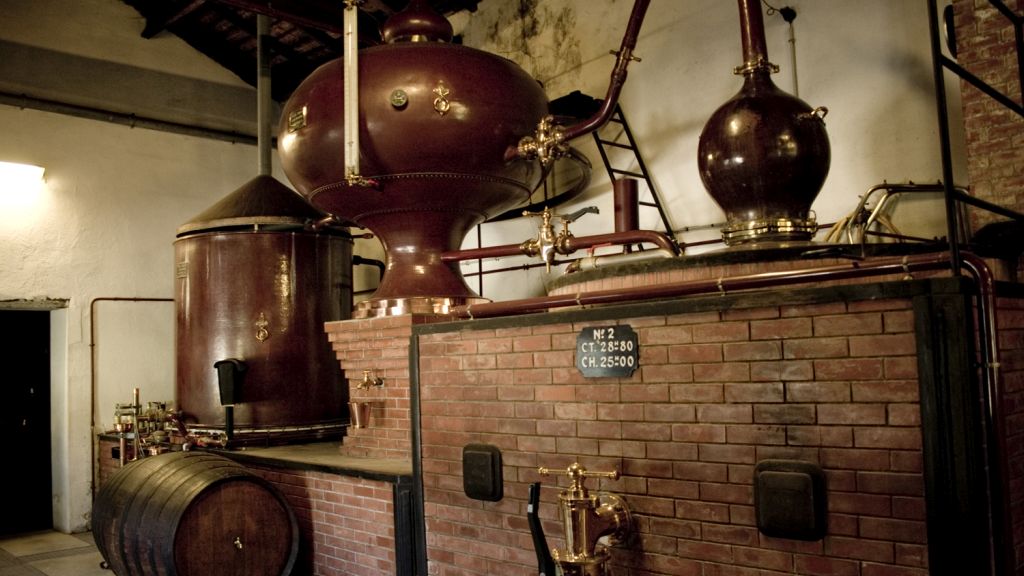
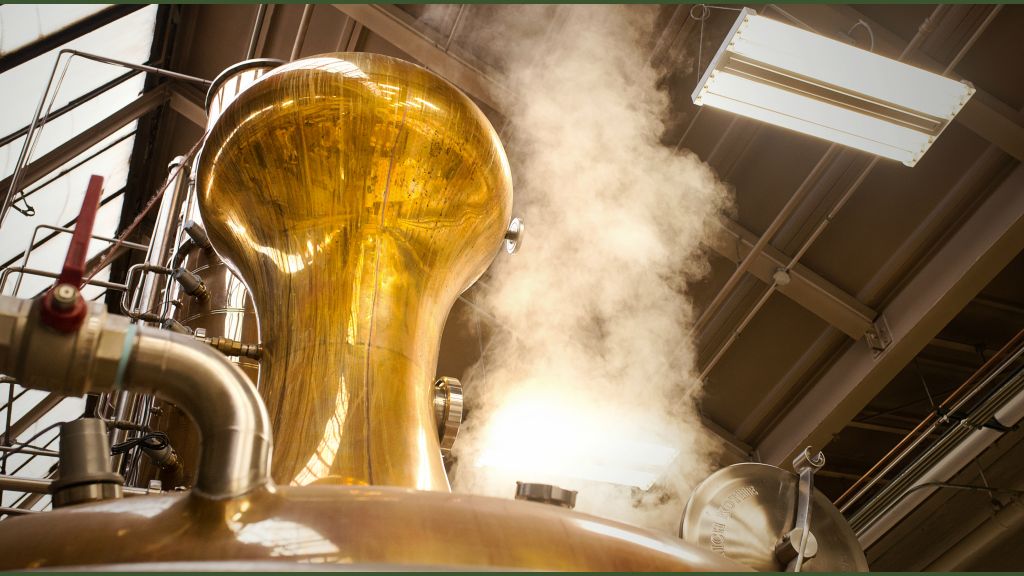
At first sight, a modern distillery may resemble a scene from the Chocolate Factory. Gleaming columns, interconnected tubes, and large copper pots glisten in the light. These impressive setups are the beating heart of distillation, where science and artistry come together to create liquid masterpieces. The equipment facilitates the separation of alcohol from a lower alcohol base through the process of evaporation and condensation.

Distillation: The Alchemical Art

Distilling has deep roots in the history of alchemy, an ancient mystical science. The pursuit of transforming ordinary substances into extraordinary elixirs has always fascinated humans. Over time, distillation emerged as a crucial technique in alchemy, allowing for the extraction of potent essences and the creation of spirits with remarkable properties. Today, the art of distilling continues to captivate and inspire.

From Base to Bliss: Elevating Spirits through Distillation

Distillation is the key to elevating spirits from a lower alcohol base to a higher alcohol content beverage. While fermentation alone cannot produce high-alcohol spirits due to the toxic effects of alcohol on yeast, distillation enables the separation of alcohol from water, creating a more concentrated and potent elixir. It is through this transformative process that the magic happens, turning ordinary liquids into extraordinary libations.

The Dance of Evaporation and Condensation

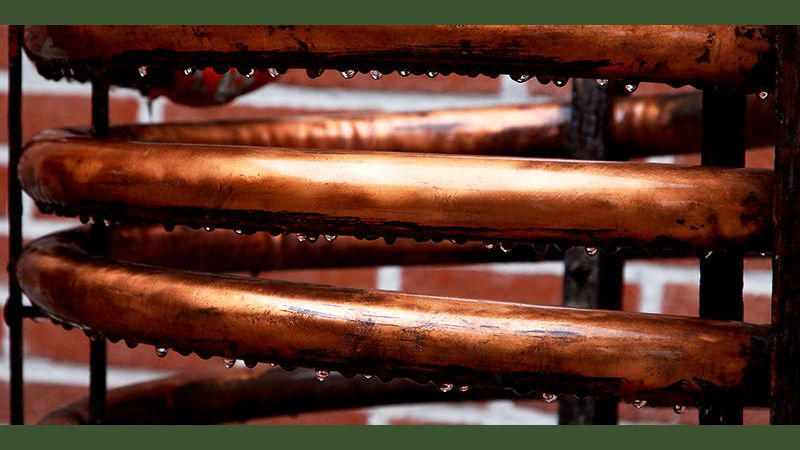
Distilling is a dance of evaporation and condensation. Alcohol, with its lower boiling point than water, evaporates first, allowing distillers to collect the alcohol vapor separately. This vapor is then cooled and condensed back into a liquid form, resulting in a more concentrated and refined spirit. This intricate interplay between heat, vapor, and cooling creates the foundation for the art of distilling.

The Two Methods of Distilling: Alembic and Column

The Two Methods of Distilling: Alembic and Column

Two primary methods of distilling have evolved over time: alembic (pot distilling) and column distilling. Alembic distilling involves heating the primary fermented liquid in a kettle-shaped vessel and condensing the evaporated ethanol. This method allows for the inclusion of desirable congeners, which can impact the flavor of the final product. On the other hand, column distilling, developed as a faster alternative, involves continuous injection of the mash or wash into giant columns. It enables efficient and repeated distillation, resulting in more neutral spirits with higher alcohol content, such as vodka.

The Intrigue of Congeners: Flavor Builders and Discardable Companions

Congeners are compounds that can impact the flavor of distilled spirits. During pot distilling, congeners, including esters, tannins, methanol, and fusel alcohols, can evaporate and influence the final product’s taste and aroma. Distillers can choose to retain or discard specific congeners based on their desired flavor profile. Fusel alcohols, often found at the end of the distillation run, can be either discarded or redistilled to refine the spirit further.

Kalau ada sumur di ladang, boleh kita menumpang mandi. Kalau anda mau situs judi slot online yang gampang menang, boleh kita mendaftar di situs VIO88 – agen resmi IDN Sports penyedia game Slot88 terlengkap. VIO88 adalah situs slot deposit pulsa tanpa potongan dengan bonus terbesar sepanjang masa.

The Art of Cutting: Separating the Gems from the Rest

Cutting is the art of carefully separating congeners by controlling temperature and timing. This process enables distillers to capture the desirable components while discarding or re-distilling unwanted compounds. Methanol, which evaporates at a lower temperature than ethanol, is discarded to ensure the safety of the final product. The skillful execution of cutting is pivotal in creating a balanced and exceptional spirit.

Fractions: Unveiling the Heart of Distillation

The distillation process is divided into fractions, each with its own characteristics. The “fores” contain undesirable compounds and are discarded, while the “head” carries some desirable aromatics. However, it is the “heart” fraction that is considered the most desirable and represents the essence of the spirit. The “tail” fraction, which contains heavier compounds, can be redistilled or discarded depending on the desired flavor profile. Distillers rely on their expertise, precision, and intuition to identify and capture the soul of their creations.

Celebrating the Artistry of Distillation

Distillation is a captivating art form that marries science, history, and craftsmanship. From the gleaming equipment of modern distilleries to the ancient roots of alchemy, the process of distilling spirits is a journey that unfolds through evaporation, condensation, and the delicate balance of congeners. Whether using the traditional alembic or the modern column distillation, skilled distillers create exquisite elixirs that delight the senses and ignite our fascination with the alchemical transformation of liquids. Cheers to the masters of distilling, who bring us the spirits that truly intoxicate our palates.

Blog

Elevating Vodka Cocktails: Rediscovering the Delights of a Versatile Spirit

Vodka cocktails have often been overlooked by craft cocktail enthusiasts due to their neutral flavor profile. However, contrary to popular belief, vodka can serve as an excellent base for creating delicious and well-crafted cocktails. In this article, we will explore some classic and popular vodka-based cocktails, highlighting their unique characteristics and providing recipes for each. Whether you’re looking for a refreshing brunch drink or an evening cocktail, these vodka concoctions are sure to satisfy your taste buds and challenge any preconceptions about vodka’s versatility.

Long Island Iced Tea: A Complex and Balanced Blend

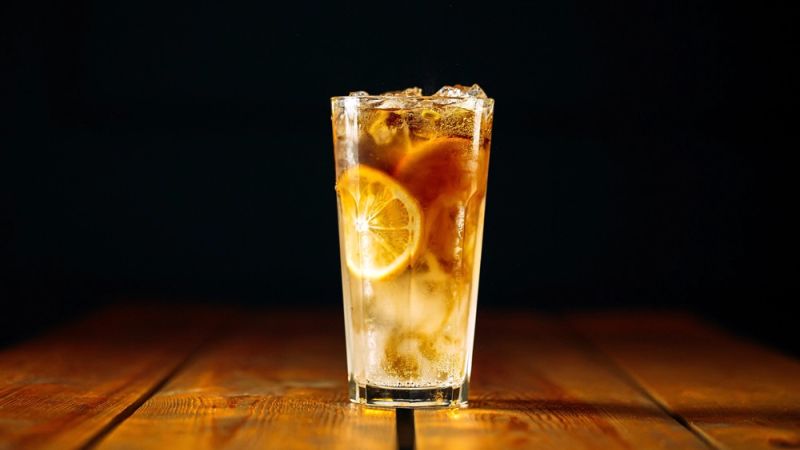
Long Island Iced Tea: A Complex and Balanced Blend

Vodka cocktails are often associated with simplicity, but the Long Island Iced Tea breaks the mold with its complex and balanced flavor profile. This classic cocktail combines multiple base spirits, including vodka, gin, silver rum, and tequila. However, by scaling back the volume of each spirit, this potent drink can be enjoyed without overwhelming the palate. The recipe for a Long Island Iced Tea includes Cointreau, simple syrup, lemon juice, and a top-off of Coca Cola. The combination of these ingredients creates a harmonious blend of flavors, resulting in a refreshing and invigorating cocktail.

Pornstar Martini: Reigning Supreme for Eight Years

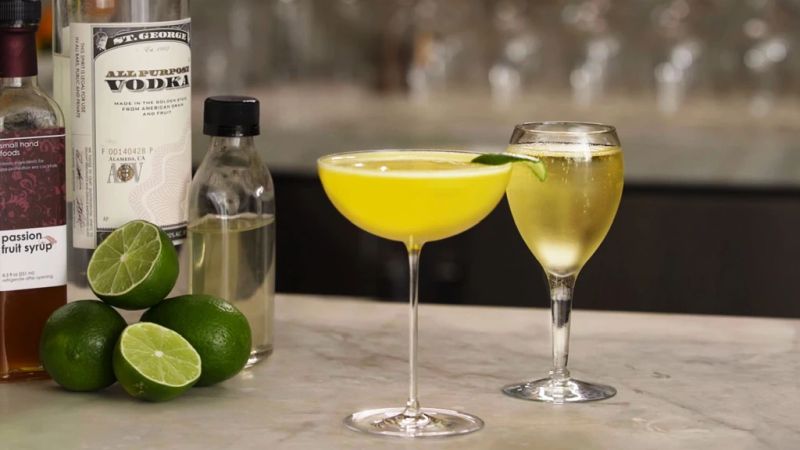
Pornstar Martini: Reigning Supreme for Eight Years

The Pornstar Martini has earned its place as the world’s top cocktail for eight consecutive years, captivating cocktail enthusiasts with its irresistible taste and presentation. This delightful and fruity concoction features vodka, lime juice, vanilla syrup, and passion fruit liqueur or syrup. The blend of citrusy lime, aromatic vanilla, and the exotic essence of passion fruit creates a symphony of flavors that dance on the palate. Whether enjoyed at a trendy bar or made at home, the Pornstar Martini is a crowd-favorite that is both easy to make and visually appealing.

Appletini: A Sweet and Sour Green Apple Sensation

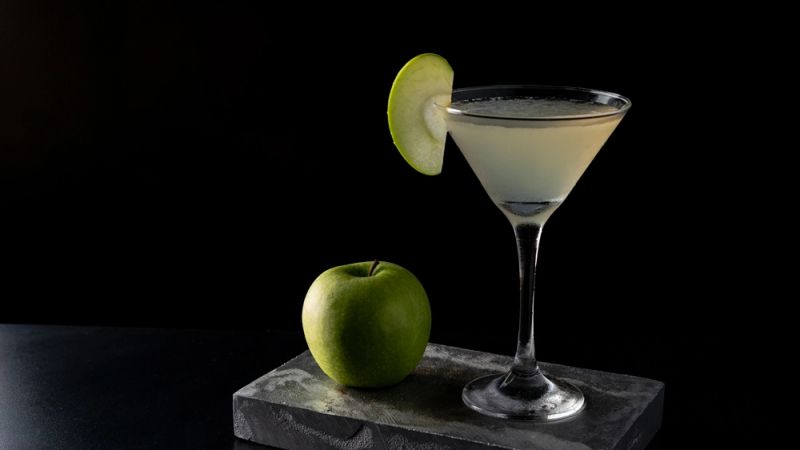
Appletini: A Sweet and Sour Green Apple Sensation

Gaining popularity in Los Angeles during the late 1990s, the Appletini is a refreshing drink that tantalizes the taste buds with its sweet and sour green apple flavors. To elevate this cocktail, fresh ingredients like granny smith apple juice, lemon juice, and simple syrup are used. The combination of these elements creates a vibrant and tangy experience that perfectly balances the sweetness of the apple with a hint of acidity. The Appletini has become a staple on bar menus and is an excellent choice for those who prefer a drink with a sweet and sour twist.

Bloody Mary: A Savory Brunch Favorite

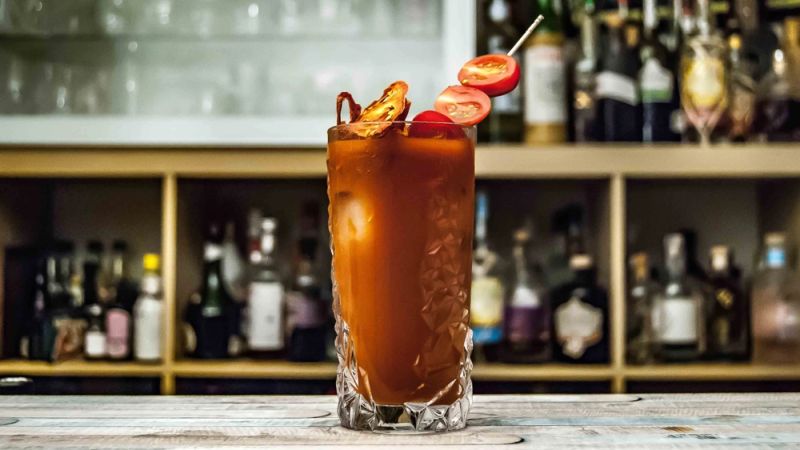
Bloody Mary: A Savory Brunch Favorite

The Bloody Mary is a classic morning cocktail known for its savory and spicy flavor profile. It has become synonymous with leisurely brunches and poolside sipping. This versatile cocktail can be customized to suit individual preferences, allowing for different levels of spiciness and a wide range of garnishes. The base ingredients for a Bloody Mary include vodka and tomato juice, but it’s the additional components like horseradish, Worcestershire sauce, lemon juice, Sriracha, black pepper, salt, and celery salt that give it its signature kick. With its bold and robust flavors, the Bloody Mary is a popular choice for those seeking a satisfying and invigorating brunch drink.

Cosmopolitan: A Bright and Fruity Delight

Cosmopolitan: A Bright and Fruity Delight

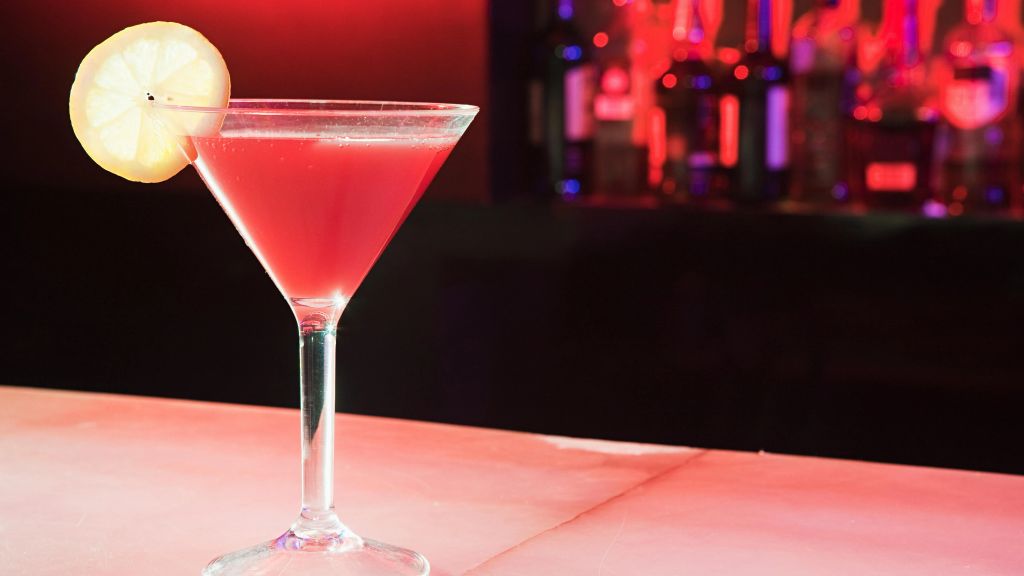
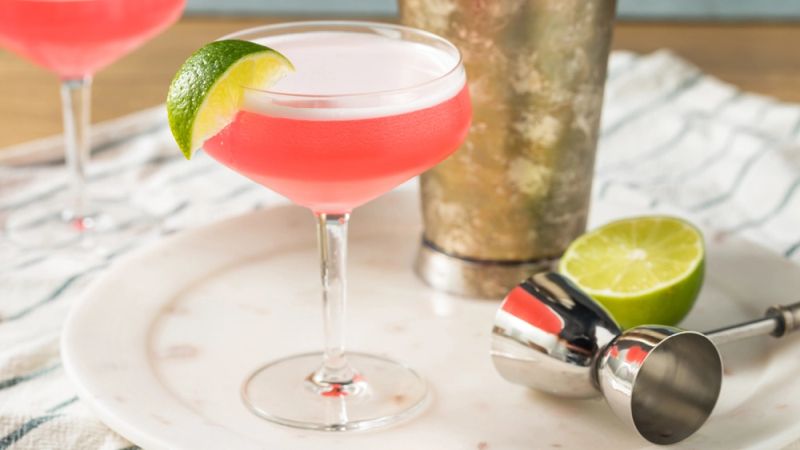
Thanks to its association with the TV show “Sex and the City,” the Cosmopolitan gained immense popularity and is known for its bright and fruity flavors. This well-balanced cocktail combines Absolut Citron Vodka, Cointreau, lime juice, and cranberry juice cocktail. The fusion of citrusy vodka, the zesty kick of lime, and the tartness of cranberry juice creates a harmonious blend that is both refreshing and invigorating. The Cosmopolitan offers a delightful burst of flavors and is often enjoyed as a sophisticated and vibrant cocktail choice.

Kamikaze: A Refreshing and Refined Alternative

Kamikaze: A Refreshing and Refined Alternative

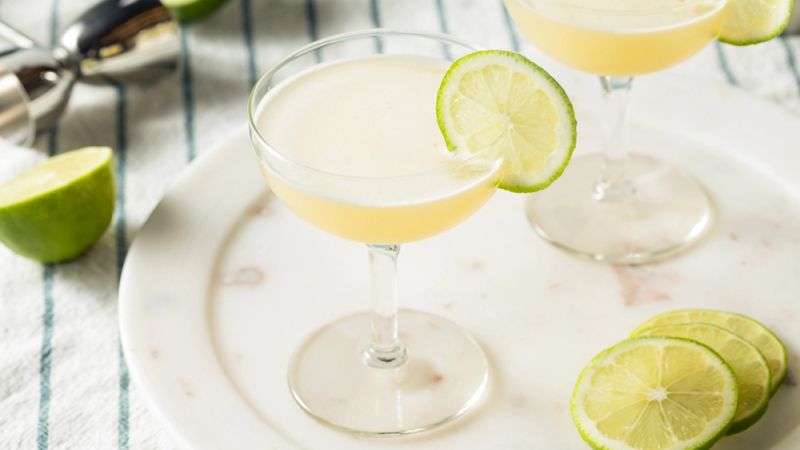
The Kamikaze is a disco-era cocktail that can be a refreshing and refined choice when made with fresh lime juice and high-quality triple sec. This clean and tart cocktail features vodka, lime juice, triple sec, and simple syrup. The combination of these ingredients creates a revitalizing drink with a perfect balance between sweetness and tanginess. The Kamikaze offers a departure from traditional tropical fruit or berry-flavored cocktails, providing a clean and crisp alternative that is sure to please the palate.

Elevating Vodka Cocktails: Embracing the Versatility and Delight

Vodka’s neutral flavor profile allows it to harmonize seamlessly with a variety of ingredients, making it an incredibly versatile choice for crafting cocktails. From the complex and balanced Long Island Iced Tea to the perennial favorite Pornstar Martini, each vodka cocktail showcased in this article offers a unique and delightful drinking experience. Whether you’re hosting a gathering or simply looking to expand your mixology repertoire, these cocktails are bound to impress.

Rediscover the delights of vodka cocktails and let your taste buds embark on a journey of exquisite flavors and pleasurable moments. Elevate your appreciation for vodka as a base spirit, and challenge the notion that it lacks complexity or character. Each cocktail presented here demonstrates the artistry and creativity that can be achieved with vodka, showcasing its ability to be both a versatile and satisfying choice.

So, the next time you find yourself in search of a refreshing brunch drink or an evening cocktail, don’t overlook vodka. Embrace the possibilities it offers and experiment with the classic recipes provided. With their unique flavors and delightful combinations, these vodka cocktails are sure to impress and elevate your drinking experience. Cheers to the rediscovery of vodka cocktails and the endless enjoyment they bring!